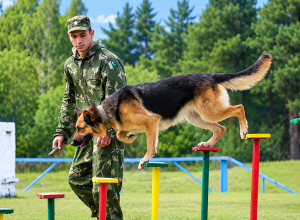
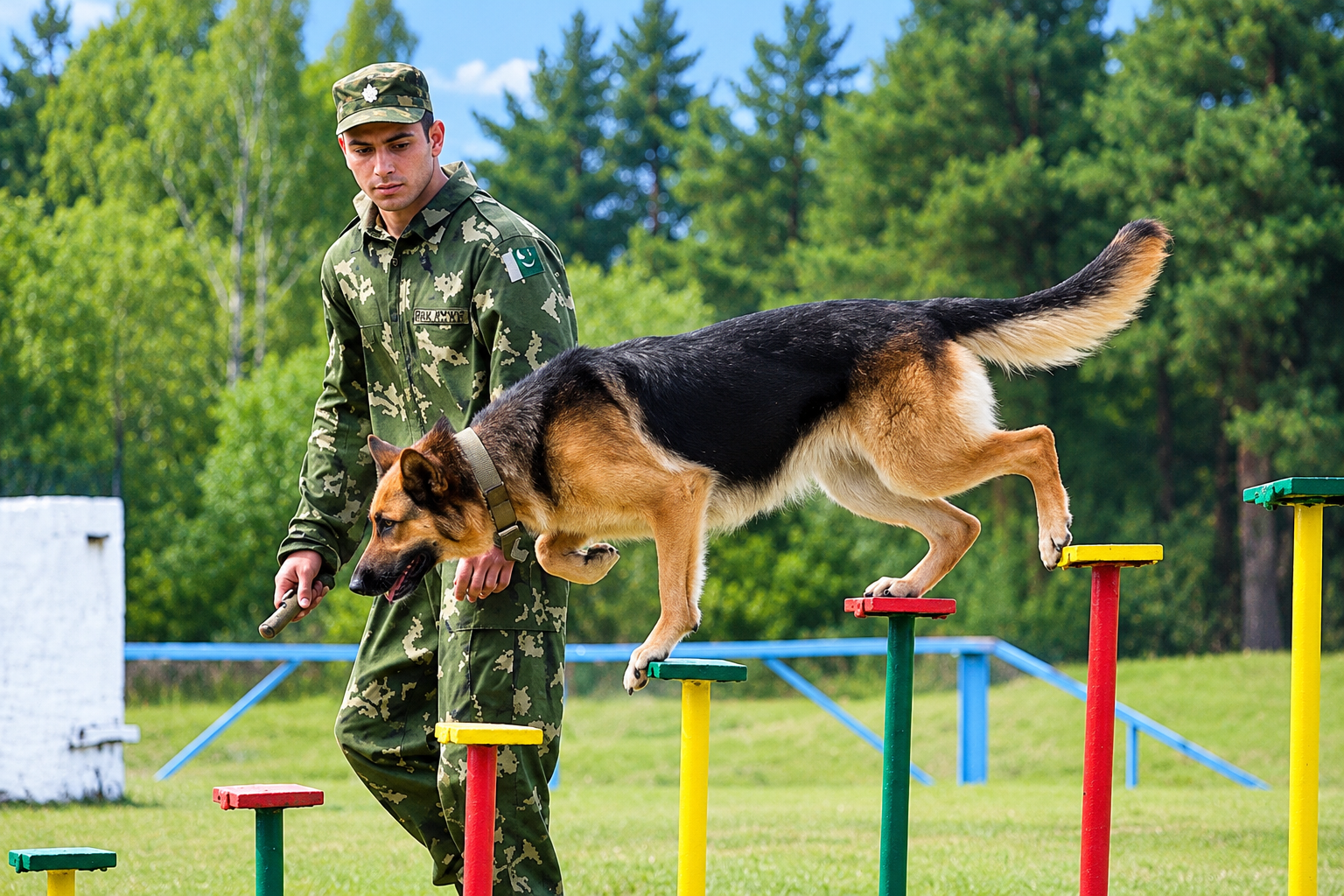
Dog training games are a wonderful way to help your dog learn new skills while enjoying quality time together. Whether you have a playful puppy, an energetic adult dog, or a senior companion, interactive games can make training more enjoyable and rewarding. They encourage dogs to listen, think, explore, and respond to commands in a positive environment. From hide-and-seek to scent-based activities, the right games can improve focus, strengthen recall, and build a stronger bond between you and your furry friend.
Training does not have to feel like a daily chore. By incorporating simple games into your routine, you can turn ordinary moments into valuable learning opportunities. The key is to keep activities enjoyable, use positive reinforcement, and choose games that suit your dog’s age, abilities, and personality.
In this guide, you will discover ten engaging dog training games, their benefits, and practical tips for introducing them at home.

Why Are Dog Training Games Important?
Dogs need more than physical exercise to stay happy and healthy. They also benefit from mental stimulation, problem-solving opportunities, and positive interaction with their owners.
Interactive training games provide these experiences while helping dogs develop useful everyday behaviors.
1. Improve Mental Stimulation
Dogs naturally enjoy exploring their surroundings and using their noses. Games that involve searching, choosing, or solving simple problems encourage them to think.
Mental activities can help reduce boredom and provide a rewarding way to spend time indoors.
2. Strengthen the Bond Between Dogs and Owners
Playing together creates opportunities for communication and trust. When owners reward their dogs for successful behavior, dogs learn that paying attention can lead to enjoyable experiences.
This positive interaction helps strengthen the relationship between a dog and its family.
3. Reinforce Basic Obedience Skills
Many games naturally incorporate important commands such as:
- Sit
- Stay
- Come
- Leave it
- Drop it
- Find it
Practicing these skills during play can make them easier to use in everyday situations.
4. Encourage Confidence and Problem-Solving
Some dogs may feel uncertain when introduced to new activities. Simple games allow them to explore at their own pace.
Rewarding small successes can help build confidence and encourage dogs to try again when something feels unfamiliar.
10 Fun Dog Training Games to Try at Home
The following activities are easy to introduce and can be adapted for different dogs. Start with simple versions and gradually increase the difficulty as your dog becomes more comfortable.
1. Hide-and-Seek
Hide-and-seek is one of the most enjoyable dog training games for practicing recall. It encourages your dog to find you when called and makes responding to your voice a rewarding experience.
How to Play
- Ask your dog to stay in a familiar room.
- If your dog does not know how to stay, have another person gently keep them occupied.
- Hide behind a door, sofa, or another safe hiding place.
- Call your dog’s name once in a cheerful voice.
- When your dog finds you, reward them with praise, a treat, or a favorite toy.
Start with easy hiding places so your dog can find you quickly.
As your dog becomes more confident, you can choose slightly more challenging locations.
What Your Dog Learns
Hide-and-seek helps reinforce recall, listening skills, and confidence. It also teaches your dog that coming when called leads to positive experiences.
Practice indoors or in a secure, enclosed outdoor area.
2. The Shell Game: Find the Hidden Treat
The shell game is a simple activity that encourages dogs to use their noses and observe their surroundings.
It is especially useful for dogs who enjoy food-based rewards.
What You Need
- Three opaque cups
- A few small dog treats
How to Play
- Sit on the floor with your dog.
- Let your dog see you place a treat beneath one cup.
- Arrange the other two cups beside it.
- Slowly move the cups around.
- Encourage your dog to find the hidden treat.
- When your dog chooses the correct cup, lift it and allow them to enjoy the reward.
If your dog chooses incorrectly, calmly show them where the treat is and try again.
Make It More Challenging
Once your dog understands the game, you can:
- Add another cup.
- Move the cups more slowly or in different directions.
- Increase the distance between your dog and the cups.
This game supports concentration, scent detection, and problem-solving.
Always use cups that are safe and large enough that your dog cannot accidentally swallow them.
3. Find It: A Scent-Based Training Game
Dogs have an excellent sense of smell, making scent-based activities a natural and enjoyable way to provide mental enrichment.
The Find It game encourages your dog to search for a reward while practicing patience and listening.
How to Play
- Show your dog a small treat or favorite toy.
- Ask your dog to sit or wait.
- Place the reward somewhere easy to find.
- Say “Find it!” to release your dog.
- Praise your dog when they discover the reward.
Begin by placing the treat in an obvious location.
As your dog improves, hide rewards behind safe objects or in different areas of the room.
Benefits of Find It
This activity can help:
- Encourage natural sniffing behavior.
- Improve focus and concentration.
- Provide mental stimulation.
- Reinforce waiting and release cues.
- Reduce boredom during indoor play.
Avoid hiding food near cleaning products, electrical equipment, or other potentially unsafe household items.
4. Recall Relay
Recall relay is a useful game for teaching dogs to respond to different people.
It is especially helpful for households with multiple family members.
How to Play
- Ask two people to stand a short distance apart.
- One person calls the dog using a familiar recall cue.
- When the dog arrives, reward them with praise or a small treat.
- The second person calls the dog.
- Continue taking turns.
As your dog becomes more successful, gradually increase the distance between participants.
What Your Dog Learns
Recall relay helps dogs practice coming when called, even when the person calling them changes.
It also creates a positive association with responding to family members.
For safety, practice in a secure area and avoid using this game near roads or open spaces.
5. Tug-of-War With Commands
Tug-of-war can be an enjoyable way to combine play with basic training.
When played with clear rules, it can help dogs practice releasing toys and responding to cues.
What You Need
A suitable tug toy that is large enough for both you and your dog to hold comfortably.
How to Play
- Invite your dog to take the toy using a cue such as “Take it.”
- Allow your dog to gently pull on the toy.
- Pause the game and ask your dog to “Drop it.”
- When your dog releases the toy, reward them with praise.
- Resume the game as a reward.
If your dog does not release the toy, avoid pulling harder or forcing their mouth open. Instead, calmly exchange the toy for a treat and practice the release cue again.
Important Safety Tips
- Keep the game gentle.
- Avoid jerking your dog’s head or neck.
- Use an appropriate toy rather than household objects.
- Stop if your dog becomes uncomfortable or overly excited.
Tug-of-war can reinforce cooperation and provide an enjoyable outlet for energy.
6. Name That Toy
Dogs can learn to recognize familiar objects through repetition and positive reinforcement.
Name That Toy is a fun activity that introduces object recognition while encouraging listening skills.
How to Play
- Choose two or three different dog toys.
- Show your dog one toy.
- Give it a simple name, such as “Ball.”
- Repeat the name while your dog interacts with the toy.
- Place the toy nearby and ask your dog to find it.
- Reward your dog when they select the correct object.
Once your dog understands the name of one toy, introduce another.
Practice with one toy at a time before placing multiple toys together.
Benefits
Name That Toy can encourage:
- Listening and attention.
- Object recognition.
- Memory.
- Communication between dogs and owners.
Keep sessions short and reward progress rather than expecting your dog to learn several toy names immediately.
7. The Muffin Tin Enrichment Game
A homemade enrichment game can provide mental stimulation without requiring expensive equipment.
The muffin tin game encourages dogs to investigate different spaces and discover hidden rewards.
What You Need
- A clean muffin tin
- A few tennis balls or suitable large toys
- Small dog treats
How to Play
- Place a treat inside each muffin tin compartment.
- Cover the compartments with suitable balls or toys.
- Place the tin on a stable floor.
- Encourage your dog to investigate.
- Allow your dog to move the covers and discover the treats.
For beginners, place treats in every compartment.
For dogs who already understand the game, leave some compartments empty.
Safety Considerations
Choose a sturdy muffin tin with no sharp edges.
Use balls that are too large to swallow, and supervise your dog throughout the activity. Remove damaged toys immediately.
This game can encourage problem-solving and provide an enjoyable indoor activity.
8. DIY Obstacle Course
An obstacle course is a fun way to introduce dogs to movement, coordination, and basic agility skills.
You can create a simple course using safe household objects.
What You Need
- Chairs
- Soft blankets
- Cushions
- Cardboard boxes
- Dog treats
How to Play
- Clear a safe space in a room.
- Arrange a few objects to create a simple path.
- Encourage your dog to walk around cushions.
- Guide them beneath a stable chair or through a blanket tunnel.
- Reward them after each successful obstacle.
Introduce one obstacle at a time.
Avoid slippery surfaces, unstable furniture, high jumps, or narrow spaces that could cause your dog to become trapped.
Benefits
A simple obstacle course can help encourage:
- Focus.
- Confidence.
- Coordination.
- Problem-solving.
- Positive interaction with the owner.
Keep the activity suitable for your dog’s physical abilities. Puppies, senior dogs, and dogs with mobility concerns should avoid strenuous jumping or climbing.
9. Clean Up the Toys
Teaching your dog to put toys away can be both practical and entertaining.
This game introduces object retrieval and the “Drop it” cue while encouraging cooperation.
How to Play
- Place a toy box or basket on the floor.
- Give your dog one toy.
- Encourage them to pick it up.
- Guide them toward the basket.
- Ask them to release the toy into the basket.
- Reward them with praise or a treat.
At first, reward even small steps toward the basket.
Once your dog understands the activity, gradually encourage them to place toys inside independently.
What Your Dog Learns
This activity can reinforce retrieval, release cues, and problem-solving.
It also provides an opportunity to practice a useful household behavior through positive reinforcement.
10. The Treat Countdown Game
The treat countdown game is a simple way to reward good behavior throughout the day.
Instead of focusing only on correcting mistakes, it encourages owners to notice and reward appropriate choices.
How to Play
Choose a small number of your dog’s daily food pieces or suitable training treats.
Throughout the day, reward your dog when they:
- Sit calmly before a walk.
- Wait patiently for a meal.
- Respond when called.
- Settle quietly in a familiar place.
- Remain calm when a visitor arrives.
Use a consistent cue when needed and reward the behavior you want to encourage.
Why This Game Works
Dogs learn through repeated experiences.
Rewarding appropriate behavior helps dogs understand which actions are encouraged and makes training part of everyday life.
Remember to account for training treats within your dog’s normal daily food allowance.

How to Make Dog Training Games More Effective
The success of training depends on how activities are introduced and practiced.
Here are a few simple ways to make dog training games more enjoyable.
Keep Training Sessions Short
Dogs may become distracted or tired during long sessions.
Start with a few minutes of practice and end while your dog is still interested.
Several short sessions can be more manageable than one lengthy training session.
Use Positive Reinforcement
Positive reinforcement means rewarding a behavior you want to encourage.
Rewards can include:
- Small treats.
- Verbal praise.
- A favorite toy.
- A short play session.
- Access to an enjoyable activity.
Choose rewards that your dog finds motivating.
Start With Easy Activities
If a game is too difficult, your dog may become confused or lose interest.
Begin with simple steps and gradually increase the challenge.
For example, hide a treat in an obvious location before placing it behind furniture.
Practice in Different Environments
Once your dog understands a game at home, you can gradually practice in other safe environments.
Begin with quiet locations before introducing more distractions.
This helps dogs learn that familiar cues remain useful in different situations.
Watch Your Dog’s Body Language
Every dog has individual preferences.
If your dog appears uncomfortable, distracted, or tired, pause the activity.
Training should remain enjoyable and pressure-free.
Common Mistakes to Avoid During Dog Training Games
Even simple activities can become frustrating if they are introduced too quickly.
Avoid these common mistakes:
Making games too difficult: Increase difficulty gradually so your dog can understand what is expected.
Repeating commands excessively: Give your dog time to respond instead of repeating the same cue several times.
Using punishment: Avoid shouting, intimidation, or physical corrections. These methods can create fear and reduce trust.
Ignoring safety: Check the play area for slippery floors, sharp objects, and unsafe equipment.
Training for too long: Short sessions help maintain interest and prevent unnecessary frustration.
Using unsuitable rewards: Choose treats and toys that are safe for your dog’s size and chewing habits.
How Often Should You Play Dog Training Games?
There is no single schedule that works for every dog.
The ideal frequency depends on your dog’s age, energy level, health, and interest in the activity.
A simple routine could include:
| Time of Day | Suggested Activity |
| Morning | A short Find It game |
| Afternoon | Name That Toy or a puzzle activity |
| Evening | Hide-and-seek or gentle tug-of-war |
These activities do not need to be completed every day.
You can rotate games throughout the week to keep your dog’s routine interesting.
Always combine mental activities with appropriate physical exercise, rest, and opportunities to explore.
Dog Training Games for Puppies, Adult Dogs, and Senior Dogs
Different life stages require different approaches to training.
Games for Puppies
Puppies benefit from short, gentle activities that introduce basic cues and encourage confidence.
Suitable games include:
- Simple hide-and-seek.
- Finding treats in easy locations.
- Name That Toy.
- Gentle recall practice.
Avoid strenuous jumping, repeated stair climbing, or activities that place unnecessary stress on developing joints.
Games for Adult Dogs
Adult dogs may enjoy a wider range of activities depending on their physical abilities.
Try scent games, toy retrieval, recall relay, and simple obstacle courses.
Adjust the difficulty based on your dog’s experience.
Games for Senior Dogs
Senior dogs can still enjoy mental stimulation and interactive play.
Choose activities that do not require excessive movement, such as:
- Finding treats in an easy location.
- The shell game.
- Recognizing familiar toys.
- Gentle recall practice over a short distance.
If your dog has mobility concerns or a medical condition, ask your veterinarian which activities are appropriate.
Frequently Asked Questions
What are the best dog training games for beginners?
Hide-and-seek, Find It, and Name That Toy are excellent starting points. They are simple to introduce and help dogs practice listening, recall, and problem-solving.
Can dog training games help with recall?
Yes. Games such as hide-and-seek and recall relay encourage dogs to respond when called. Practice in secure environments and reward your dog whenever they return.
How long should I play training games with my dog?
Start with short sessions lasting a few minutes. Adjust the duration based on your dog’s interest and energy level.
Are indoor dog training games useful?
Yes. Indoor games can provide mental stimulation and help reinforce basic skills when outdoor activities are limited by weather or other circumstances.
Do dog training games require special equipment?
No. Many games use simple household items such as cups, cardboard boxes, blankets, and familiar dog toys. Always check that the equipment is safe for your dog.
Can training games help reduce boredom?
Interactive games can provide mental stimulation and encourage dogs to engage with their surroundings. They can be a useful part of a balanced routine that also includes exercise, rest, and social interaction.
Final Thoughts
Dog training games are an enjoyable way to teach useful skills, encourage mental stimulation, and strengthen the relationship between dogs and their owners.
From hide-and-seek and scent games to homemade enrichment activities, there are plenty of simple ways to make learning fun.
The most important part of training is consistency, patience, and positive reinforcement. Choose activities your dog enjoys, reward their progress, and adjust the difficulty as they improve.
With regular practice, play can become a valuable part of your dog’s daily routine, helping them develop confidence, focus, and better communication with the people they love.
At Dogliva, we believe that happy learning begins with positive experiences. Start with one simple game today and discover how much your dog can learn through play.