Aggressive dog training is essential for helping dogs develop calmer behaviors, build confidence, and respond more positively to challenging situations. Dog aggression can be stressful for pet owners, especially when it involves growling, barking, lunging, snapping, or biting. However, these behaviors often have underlying causes, such as fear, anxiety, pain, territorial instincts, or resource guarding. With patience, proper management, and professional guidance, many dogs can learn safer and more appropriate ways to respond to their triggers.
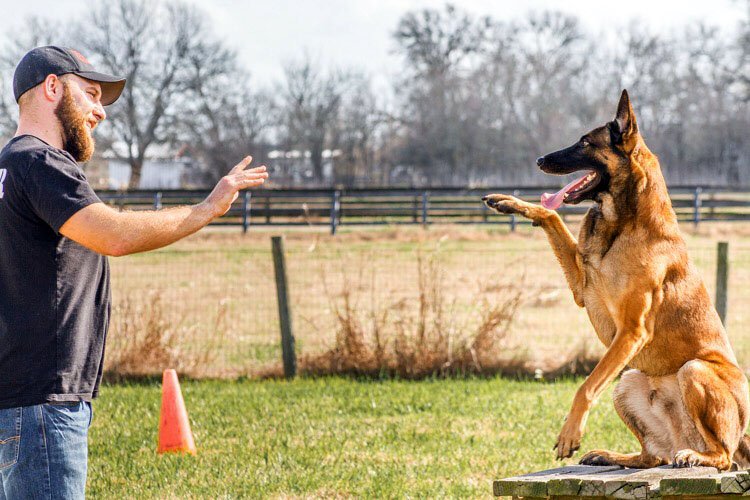
Understanding the Causes of Dog Aggression
Before beginning an aggressive dog training program, it is important to understand why a dog displays aggressive behavior. Aggression is not always a sign that a dog is naturally dangerous. In many cases, it is a response to fear, discomfort, stress, or a perceived threat.
Common causes of dog aggression include:
- Fear and anxiety: Dogs may growl, bark, or attempt to bite when they feel threatened or trapped.
- Territorial behavior: Some dogs become defensive when unfamiliar people or animals enter their home or personal space.
- Resource guarding: Dogs may protect their food, toys, beds, or other valuable possessions.
- Pain or medical conditions: Injuries and illnesses can make dogs more sensitive and irritable.
- Lack of socialization: Dogs with limited positive experiences around people, animals, or unfamiliar environments may struggle to respond calmly.
- Past negative experiences: Previous trauma, frightening encounters, or inconsistent handling may contribute to defensive behavior.
Identifying the underlying cause is the first step toward choosing an appropriate training strategy.
Recognizing the Early Warning Signs of Aggression
Dogs often communicate discomfort through body language before displaying more serious behaviors. Learning to recognize these signals can help owners intervene early and prevent situations from escalating.
Common warning signs include:
- Excessive barking or growling
- Stiff body posture and intense staring
- Showing teeth or curling the lips
- Lunging, snapping, or attempting to bite
- Raised hackles or a rigid tail
- Tucked tail, flattened ears, or crouching
- Repeated lip licking, yawning, or turning away
Some signs, such as yawning or lip licking, can also occur in ordinary situations and do not necessarily indicate aggression on their own. Always consider the dog’s overall body language and the surrounding circumstances.
When a dog shows signs of discomfort, avoid forcing interaction. Give the dog space and calmly remove the immediate pressure whenever it is safe to do so.
1. Consult a Veterinarian and Qualified Dog Behavior Professional
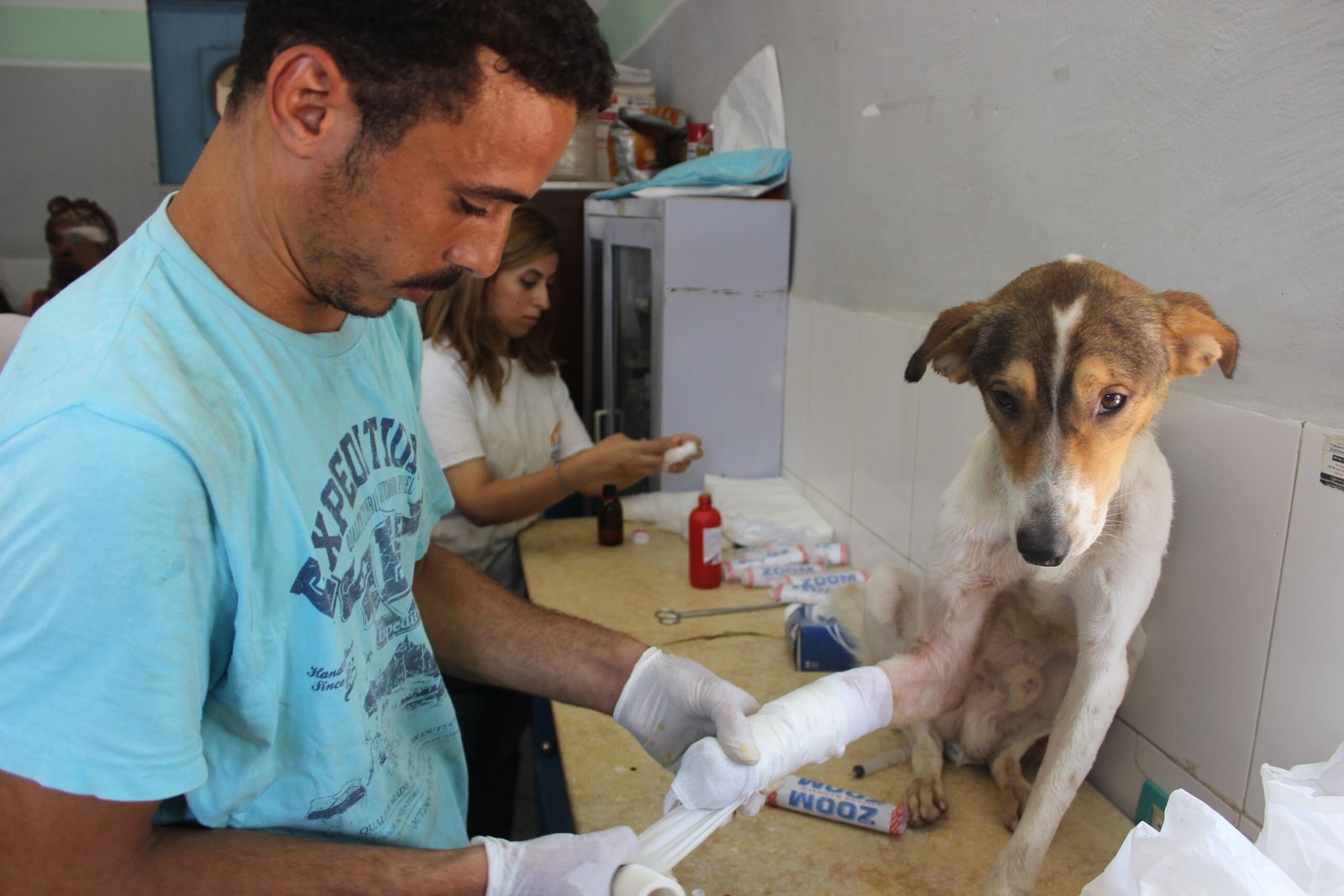
A veterinary examination is an important first step when aggressive behavior appears suddenly or becomes more frequent. Pain, illness, hormonal changes, and other medical issues can influence a dog’s behavior. Treating an underlying health problem may reduce the discomfort contributing to aggressive reactions.
If the behavior persists, consult a qualified canine behavior professional who has experience working with aggression. A professional can assess the dog’s triggers, emotional responses, environment, and bite history before developing an individualized training plan.
Aggression can present serious safety risks. Dogs that have bitten, repeatedly lunge at people, or show intense defensive behavior should not be placed in challenging training situations without appropriate professional guidance.
2. Identify Triggers and Manage the Environment
One of the most important steps in aggressive dog training is identifying the situations that cause a dog to react. Common triggers include unfamiliar visitors, other dogs, loud noises, food, toys, handling, and crowded environments.
Observe your dog’s behavior from a safe distance and note when reactions occur. Look for patterns involving location, distance, body language, and the presence of particular people or animals.
Once you identify these triggers, use practical management strategies to reduce unnecessary stress.
For example:
- Use secure gates or separate rooms when visitors arrive.
- Maintain a safe distance from unfamiliar dogs during walks.
- Feed dogs separately if they guard their food.
- Avoid forcing interactions with strangers.
- Use a secure, well-fitted harness and leash when appropriate.
Management does not automatically resolve aggression, but it helps prevent dangerous incidents while behavior modification is underway.
3. Use Positive Reinforcement Training
Positive reinforcement encourages desirable behavior by rewarding actions you want your dog to repeat. Depending on the individual dog, rewards may include treats, praise, toys, or other enjoyable activities.
For example, if your dog notices a person at a comfortable distance and remains relaxed, a trainer may recommend rewarding that calm response. Over time, the dog can learn that seeing the person predicts something positive rather than a threat.
Useful skills may include:
- Responding to their name
- Turning attention toward the handler
- Moving away from a trigger
- Settling on a designated mat
- Following simple cues in low-stress environments
Training sessions should be short, consistent, and adapted to the dog’s emotional state. Avoid pushing the dog beyond its ability to remain comfortable.
Never punish growling or other warning signals. Punishment may increase fear and stress while discouraging a dog from communicating discomfort. Instead, create distance, manage the situation, and seek professional advice.
4. Address Leash Reactivity and Aggression Toward Other Dogs
Some dogs bark, pull, growl, or lunge when they see another dog during a walk. These reactions may be related to fear, frustration, or other emotional responses. Although leash reactivity can look like aggression, the two terms are not interchangeable, and an individual assessment is necessary.
To improve safety during walks:
- Choose quieter walking routes when possible.
- Maintain enough distance to prevent your dog from becoming overwhelmed.
- Reward calm attention and voluntary disengagement from the trigger.
- Avoid tight, forced greetings with unfamiliar dogs.
- Follow a trainer’s guidance when gradually introducing more challenging situations.
If your dog cannot respond to familiar cues, repeatedly lunges, or becomes highly distressed, increase the distance rather than forcing the encounter.
Controlled introductions should be planned carefully, preferably with a qualified professional when there is a history of aggression. The goal is not to make every dog interact with other dogs but to help each dog remain safe and comfortable.
5. Manage Food Aggression and Resource Guarding
Resource guarding occurs when a dog attempts to protect food, toys, resting places, or other valued items. Warning signs may include freezing, stiffening, staring, growling, or snapping when someone approaches.
Avoid taking possessions away by force, reaching into the dog’s food bowl, or deliberately testing its tolerance. These actions can increase the risk of a bite.
Instead, establish a safe feeding area where the dog can eat without interruption. Keep children and other pets away during meals, and avoid disturbing the dog while it is resting with a valued item.
A qualified behavior professional can develop a gradual behavior modification plan using safe, positive associations. If the dog has already bitten or shows intense guarding, do not attempt close-range exercises without professional guidance.
6. Use Desensitization and Counterconditioning
Desensitization and counterconditioning are widely used behavior modification techniques that can help dogs develop more positive responses to specific triggers.
Desensitization involves introducing a trigger at a low intensity that the dog can comfortably tolerate. Exposure is increased gradually as the dog demonstrates consistent signs of comfort.
Counterconditioning involves changing the dog’s emotional association with a trigger by pairing its presence with something positive, such as an appropriate food reward.
For example, a dog that becomes anxious around unfamiliar people may begin by observing a person from a considerable distance. If the dog remains relaxed, a trainer may use rewards to create a more positive association. The distance and difficulty are adjusted according to the dog’s response.
The dog should not be forced to approach the trigger or remain in a situation that causes significant distress. If the dog stiffens, refuses food, fixates, growls, or attempts to escape, the situation may be too difficult.
Because aggression can involve complex emotional and safety concerns, these techniques should be planned with a qualified behavior professional when a dog has a history of biting or intense reactions.
7. Provide Appropriate Exercise and Mental Stimulation
Physical activity and mental enrichment can support a dog’s overall well-being. Dogs that lack suitable opportunities to explore, play, rest, and engage their minds may experience additional frustration or stress.
Depending on the dog’s age, breed, health, and individual needs, helpful activities may include:
- Daily walks in suitable environments
- Scent-based games and sniffing activities
- Food puzzles and interactive toys
- Reward-based obedience exercises
- Safe play with familiar people
- Short training sessions that encourage problem-solving
Exercise alone will not eliminate aggression, and excessive stimulation may make some dogs more aroused. Choose activities that help your dog remain comfortable and allow enough time for rest.
A balanced routine should include physical activity, mental enrichment, predictable daily habits, and sufficient sleep.
8. Introduce Safety Equipment When Necessary
Safety equipment can help reduce the risk of injury while a dog receives professional training. Depending on the circumstances, this may include secure barriers, a suitable harness, a sturdy leash, or a properly fitted basket muzzle.
A basket muzzle, introduced gradually through reward-based training, can allow a dog to pant and take treats while providing an additional layer of protection against bites. It should not be used to force the dog into frightening situations or replace safe handling.
Never leave a muzzled dog unattended in a way that could compromise its safety. Seek professional guidance on selecting and fitting the equipment, particularly if the dog has a bite history.
Children and vulnerable individuals should not be expected to manage an aggressive dog. Use secure separation whenever necessary.
9. Avoid Punishment-Based Training Methods
Yelling, hitting, leash jerks, and other aversive methods can increase fear, frustration, or defensive responses in some dogs. Punishing warning signals may also make it harder for owners to recognize when a dog feels uncomfortable.
A safer approach focuses on identifying the cause of the behavior, preventing situations that could lead to injury, and rewarding appropriate responses.
Consistency is important, but it does not mean forcing obedience regardless of the dog’s emotional state. Effective training should be adapted to the individual dog and prioritize safety, trust, and gradual progress.
10. Be Patient and Track Progress
Behavior modification takes time. Some dogs improve steadily, while others need longer-term management and ongoing professional support. Progress may vary depending on the dog’s history, triggers, health, and environment.
Keep a simple record of your dog’s reactions, including the trigger, distance, body language, and recovery time. This information can help you and your trainer recognize patterns and adjust the training plan.
Celebrate small improvements, such as calmly noticing a trigger, turning away, or settling more quickly after a stressful event. Avoid comparing your dog with others or expecting immediate results.
The ultimate goal is not necessarily to make every dog friendly toward every person or animal. It is to improve safety, reduce distress, and help the dog respond more comfortably in everyday situaions.Frequently
Frequently Asked Questions About Aggressive Dog Training
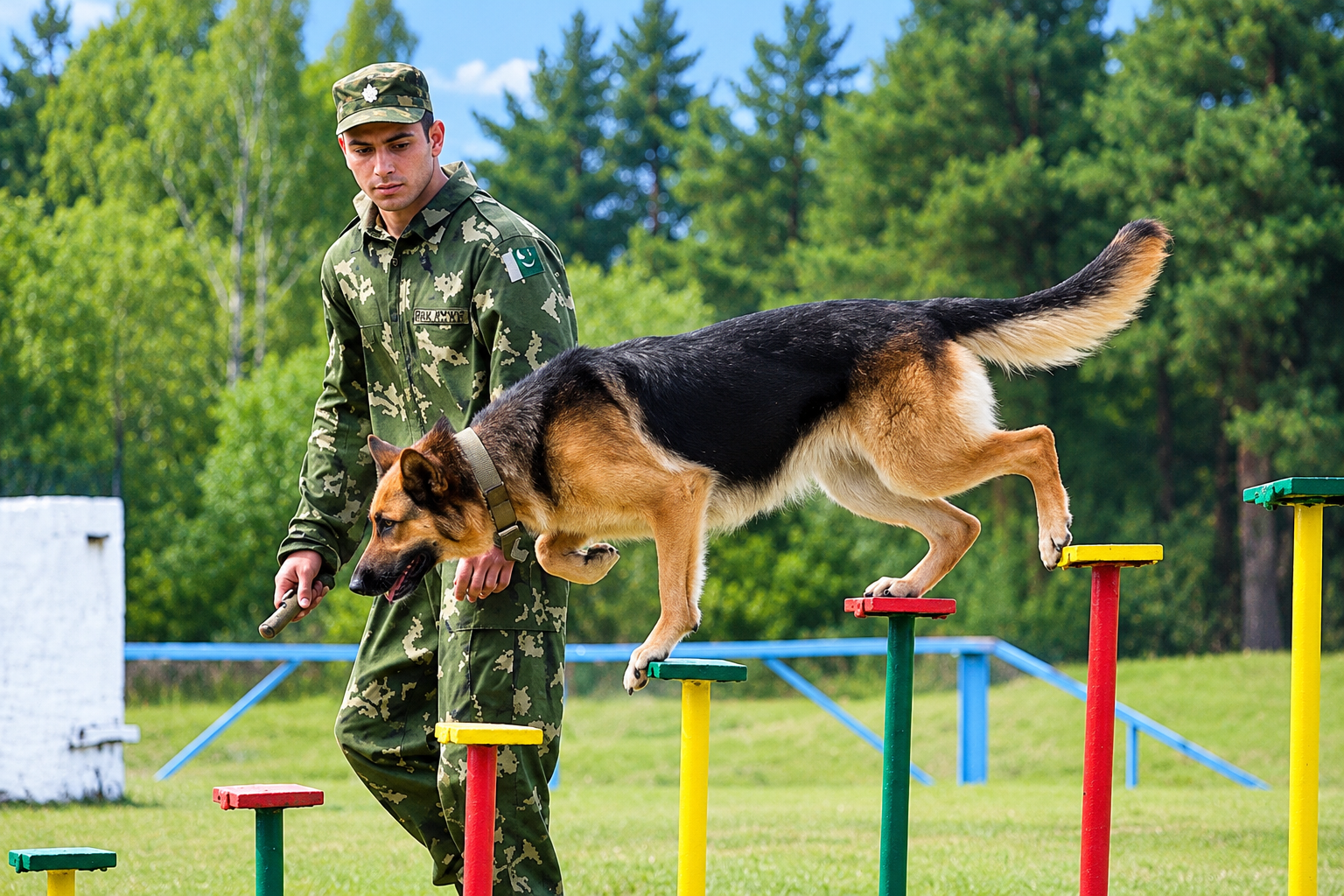
Can an aggressive dog be trained?
Many dogs with aggressive behavior can improve with an individualized behavior modification plan, appropriate management, and professional support. Outcomes depend on the underlying cause, severity, and individual circumstances. Some dogs may require lifelong management.
What is the best method for aggressive dog training?
There is no single method suitable for every dog. Veterinary assessment, trigger management, reward-based training, and professionally guided desensitization and counterconditioning may form part of an appropriate plan.
Why does my dog suddenly become aggressive?
Sudden behavioral changes may be associated with pain, illness, fear, environmental changes, or other factors. Arrange a veterinary examination and avoid provoking the behavior while seeking professional guidance.
Should I punish my dog for growling?
No. Growling is a warning signal that a dog may be uncomfortable. Punishing it can increase stress or suppress communication without resolving the underlying problem. Give the dog space and address the cause safely.
When should I hire a professional dog trainer?
Seek professional help when aggression is persistent, escalating, difficult to manage, or directed toward people or other animals. A dog with a bite history or severe reactions needs an appropriately qualified behavior professional and a clear safety plan.
Final Thoughts
Aggressive dog training requires patience, careful observation, and a commitment to safety. Understanding your dog’s triggers, addressing potential medical issues, managing the environment, and using appropriate behavior modification techniques can help create better outcomes for both dogs and their families.
Avoid punishment, forced interactions, and unrealistic expectations. Instead, focus on building confidence, reducing stress, and reinforcing calm behavior at a pace your dog can handle.
If your dog displays serious aggression, consult your veterinarian and a qualified canine behavior professional before beginning a training program. With an individualized approach and consistent support, you can make informed decisions that protect everyone while improving your dog’s quality of life.




1 Comment
[…] Some Shih Tzus need additional repetition when learning house-training routines or responding consistently to commands. Progress often depends on the owner’s schedule, consistency, and ability to make training rewarding. […]