
The dumbest dog breed is a popular search term among people curious about canine intelligence, obedience, and behavior. However, labeling a dog as unintelligent simply because it takes longer to learn commands is misleading. Different breeds have been developed for different purposes, and their natural instincts can strongly influence how they respond to training. While some dogs are eager to follow instructions, others are more independent, easily distracted, or motivated by their surroundings.
Understanding these differences helps dog owners develop realistic expectations and choose training methods that suit their pets. In this guide, we explore 10 dog breeds commonly described as difficult to train, explain the behaviors behind their reputations, and share practical advice for helping them learn.
What Determines a Dog’s Intelligence?
Canine intelligence is complex and cannot be measured accurately through obedience alone. A dog may be highly skilled at tracking scents, solving problems, adapting to routines, or making independent decisions without consistently following human commands.
Dog intelligence is often discussed in three broad categories.
1. Instinctive Intelligence
Instinctive intelligence refers to a dog’s natural ability to perform tasks associated with its original breeding purpose. For example, Beagles are skilled scent hounds, Border Collies are known for herding, and retrievers have a natural tendency to retrieve objects.
2. Adaptive Intelligence
Adaptive intelligence describes how a dog learns from experience and responds to its environment. This may include recognizing patterns, adapting to household routines, and finding solutions to familiar challenges.
3. Working and Obedience Intelligence
Working and obedience intelligence relates to how readily a dog learns commands and responds to human instructions. Dogs that are independent, easily distracted, or less motivated by conventional rewards may require additional patience and practice.
Key point: A dog that is challenging to train is not necessarily unintelligent. Breed characteristics, individual temperament, early socialization, motivation, and training methods all influence behavior.
10 Dog Breeds Commonly Considered Difficult to Train
The following breeds frequently appear in discussions about canine intelligence and obedience. Their inclusion does not mean they are inherently unintelligent. Rather, their independence, instincts, or temperament may make certain aspects of training more challenging.
1. Afghan Hound
The Afghan Hound is an elegant sighthound recognized for its long, silky coat, athletic build, and independent temperament. Historically developed for hunting, the breed is capable of making decisions without constant direction from a handler.
This independence can make obedience training more demanding, particularly when an Afghan Hound becomes interested in something in its environment. Its reputation for being difficult to train reflects its temperament more than a lack of ability to learn.
Training recommendations:
- Use positive reinforcement and high-value rewards.
- Keep sessions short, engaging, and consistent.
- Practise commands in a quiet environment before introducing distractions.
- Provide safe opportunities for exercise and mental stimulation.
2. Basenji
The Basenji is a distinctive breed often called the barkless dog because it typically produces unusual vocalizations rather than a conventional bark. Curious, alert, and independent, Basenjis have a strong hunting background and enjoy exploring their surroundings.
Their natural instincts may compete with their attention during training. A Basenji that appears unresponsive may simply be more interested in investigating its environment than repeating a familiar command.
Training recommendations:
- Make learning interactive and rewarding.
- Introduce basic commands early and practise regularly.
- Use secure areas for recall training.
- Provide appropriate enrichment activities that encourage exploration.
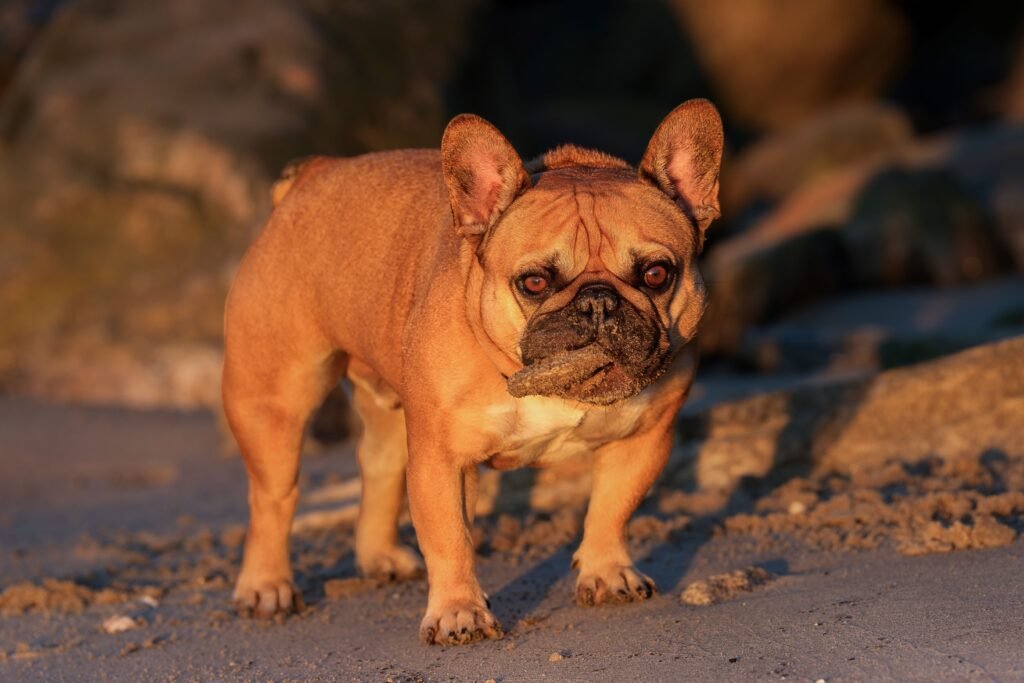
3. Bulldog
Bulldogs are known for their distinctive appearance, affectionate nature, and relaxed temperament. Many form close bonds with their families and adapt well to life as companion animals.
Some Bulldogs can be less enthusiastic about repetitive exercises, and their physical limitations may affect how much activity they comfortably tolerate. Owners should distinguish between unwillingness, lack of motivation, and physical discomfort.
Training recommendations:
- Use brief sessions with immediate rewards.
- Choose comfortable activities suited to the individual dog.
- Avoid excessive exertion and hot weather.
- Consult a veterinarian if a dog shows unusual fatigue or difficulty breathing.
4. Chow Chow
The Chow Chow is recognizable by its dense coat, sturdy build, and lion-like appearance. This breed is often described as independent and reserved, although individual personalities vary.
Chow Chows may be selective about responding to instructions, making early training and socialization especially important. Harsh handling is unlikely to build the trust needed for successful cooperation.
Training recommendations:
- Establish consistent household rules.
- Reward calm and cooperative behavior.
- Introduce new people and environments gradually.
- Use patient, reward-based training rather than intimidation.
5. Borzoi
The Borzoi, also known as the Russian Wolfhound, is a graceful sighthound historically bred to pursue game. It is known for its speed, athleticism, and ability to notice movement at a distance.
A Borzoi may become distracted when it spots something moving, reflecting its natural chasing instincts. These characteristics can make reliable recall and off-leash obedience more challenging.
Training recommendations:
- Practise commands in quiet, controlled environments.
- Use secure, enclosed spaces for exercise.
- Keep sessions short and rewarding.
- Never rely on recall alone in an unsecured area where chasing could create danger.
6. Bloodhound
The Bloodhound is famous for its exceptional scent-tracking abilities. Its powerful nose makes it particularly skilled at following trails, and this talent has made the breed valuable in tracking and search work.
During training, an interesting scent can compete strongly with the handler’s instructions. What looks like stubbornness may reflect the dog’s intense concentration on an activity it was bred to perform.
Training recommendations:
- Begin with low-distraction training environments.
- Incorporate scent-based games into enrichment activities.
- Reward attention and responses to recall commands.
- Practise consistently before increasing environmental distractions.
7. Beagle
Beagles are sociable, energetic scent hounds known for their curiosity and cheerful personalities. Their strong sense of smell helps them follow trails, but it can also make them less responsive when an interesting scent captures their attention.
For this reason, Beagles may require additional practice with recall and attention. Their scent-tracking ability is a specialized skill, not evidence of low intelligence.
Training recommendations:
- Use food rewards when appropriate.
- Keep lessons positive and engaging.
- Practise recall in a securely enclosed area.
- Provide regular opportunities for supervised sniffing and exploration.
8. Basset Hound
The Basset Hound is recognizable by its long ears, short legs, and powerful sense of smell. Generally known for its calm and affectionate disposition, it was developed primarily for scent tracking.
Following a trail can be more rewarding to a Basset Hound than responding immediately to a command. Its independent approach may therefore require an owner to make training especially motivating.
Training recommendations:
- Use consistent commands and attractive rewards.
- Practise in quiet settings before moving outdoors.
- Incorporate scent games into everyday enrichment.
- Maintain a healthy weight and seek veterinary guidance about suitable exercise.
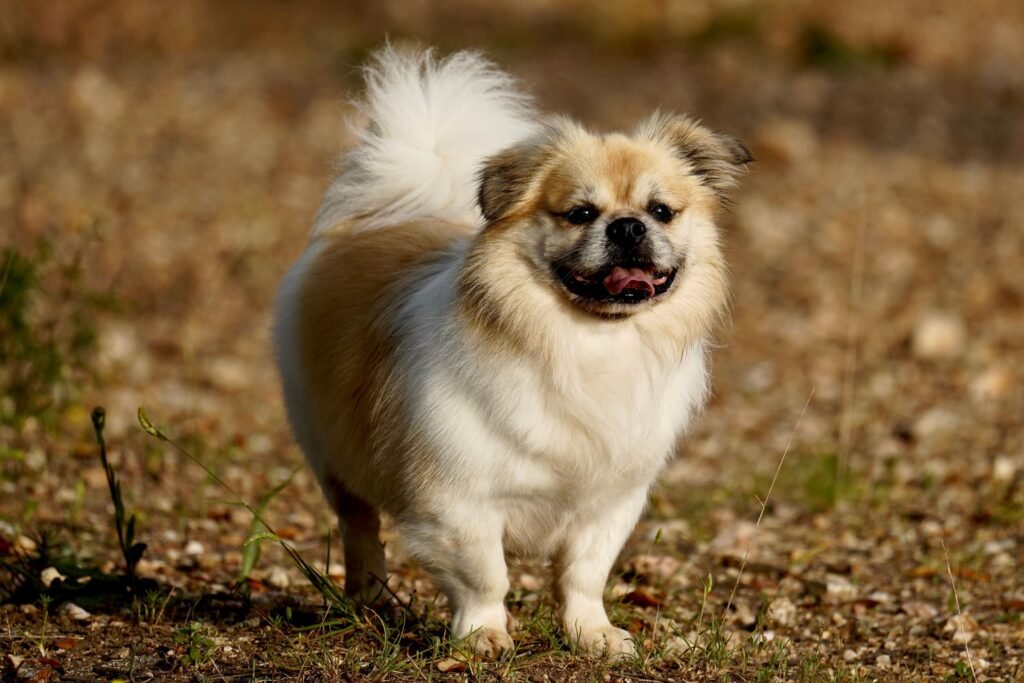
9. Pekingese
The Pekingese is a small companion breed with a distinctive coat and a confident personality. Historically valued as a companion, it can be affectionate while also displaying an independent temperament.
Some Pekingese dogs may be less interested in repetitive training, particularly when lessons lack motivation or variety. A patient approach that respects the dog’s comfort and attention span can improve cooperation.
Training recommendations:
- Use gentle, reward-based methods.
- Keep lessons brief and predictable.
- Reward desired behavior consistently.
- Avoid strenuous exercise and overheating, particularly because the breed’s short facial structure can contribute to breathing difficulties.
10. Shih Tzu
The Shih Tzu is a popular companion dog known for its affectionate nature, expressive face, and flowing coat. It generally enjoys human company and can adapt to a range of home environments.
Some Shih Tzus need additional repetition when learning house-training routines or responding consistently to commands. Progress often depends on the owner’s schedule, consistency, and ability to make training rewarding.
Training recommendations:
- Establish a predictable daily routine.
- Reward desired behavior immediately.
- Use simple commands and consistent cues.
- Practise regularly without making sessions overly long.
Which Dog Breed Is Considered the Least Intelligent?
The Afghan Hound is frequently described as one of the lowest-ranking breeds in discussions based on Stanley Coren’s book The Intelligence of Dogs. His well-known rankings focused substantially on working and obedience performance, including how quickly dogs learned commands and how reliably they responded.
These rankings should be interpreted carefully. They do not provide a complete measurement of every cognitive ability, and they should not be treated as proof that a particular breed has the lowest overall intelligence.
A breed may perform differently depending on the task being assessed. For example, a scent hound may excel at tracking while a herding breed may respond particularly well to human direction. Both abilities are valuable in different contexts.
Are Independent Dogs Harder to Train?
Independent dogs can require a different training approach, but independence does not automatically make a dog untrainable. Some breeds were developed to work at a distance from humans or make decisions without continuous guidance.
Training may become more effective when owners:
- Identify rewards that genuinely motivate their dogs.
- Practise commands in manageable steps.
- Reduce distractions during early learning.
- Provide physical exercise and mental enrichment appropriate to the breed.
- Maintain realistic expectations and consistent routines.
A dog’s age, health, previous experiences, and individual personality also influence how it responds to training.
How to Train a Dog That Seems Stubborn
Successful dog training is based on communication, repetition, and motivation rather than assumptions about intelligence.
Use Positive Reinforcement
Reward desired behavior with treats, praise, or play. This helps a dog associate the behavior with a positive outcome and encourages it to happen again.
Keep Training Sessions Short
Short sessions can help maintain attention and reduce frustration. Practise one skill at a time and finish with a task the dog can perform successfully.
Minimize Distractions
Start training in a familiar, quiet space. Gradually introduce more challenging environments as the dog becomes more consistent.
Work With Natural Instincts
Choose activities that match your dog’s natural abilities. Scent games may motivate a Beagle, while structured movement activities may be more suitable for certain athletic breeds.
Maintain Consistency
Use the same cues and household expectations across family members. Consistency helps dogs understand what is expected of them.
Seek Professional Advice When Needed
If a dog suddenly stops responding, appears uncomfortable, or struggles with previously learned skills, consult a veterinarian to rule out health-related causes. A qualified reward-based trainer can also help address persistent behavioral challenges.
Frequently Asked Questions
1. What Is the Dumbest Dog Breed in the World?
The Afghan Hound is often cited in discussions of traditional obedience rankings. However, no single ranking can establish which breed is least intelligent in every area. Training responsiveness is only one aspect of canine intelligence.
2. Are Beagles Unintelligent?
No. Beagles have highly developed scent-tracking abilities. Their strong interest in smells can make attention and recall training more challenging, but this does not mean they lack intelligence.
3. Can Difficult-to-Train Dogs Learn Commands?
Yes. Many dogs can learn basic commands and household routines with consistent, reward-based training. The time required varies according to the dog, the task, its motivation, and the training environment.
4. Which Dog Breeds Are Often Considered Easy to Train?
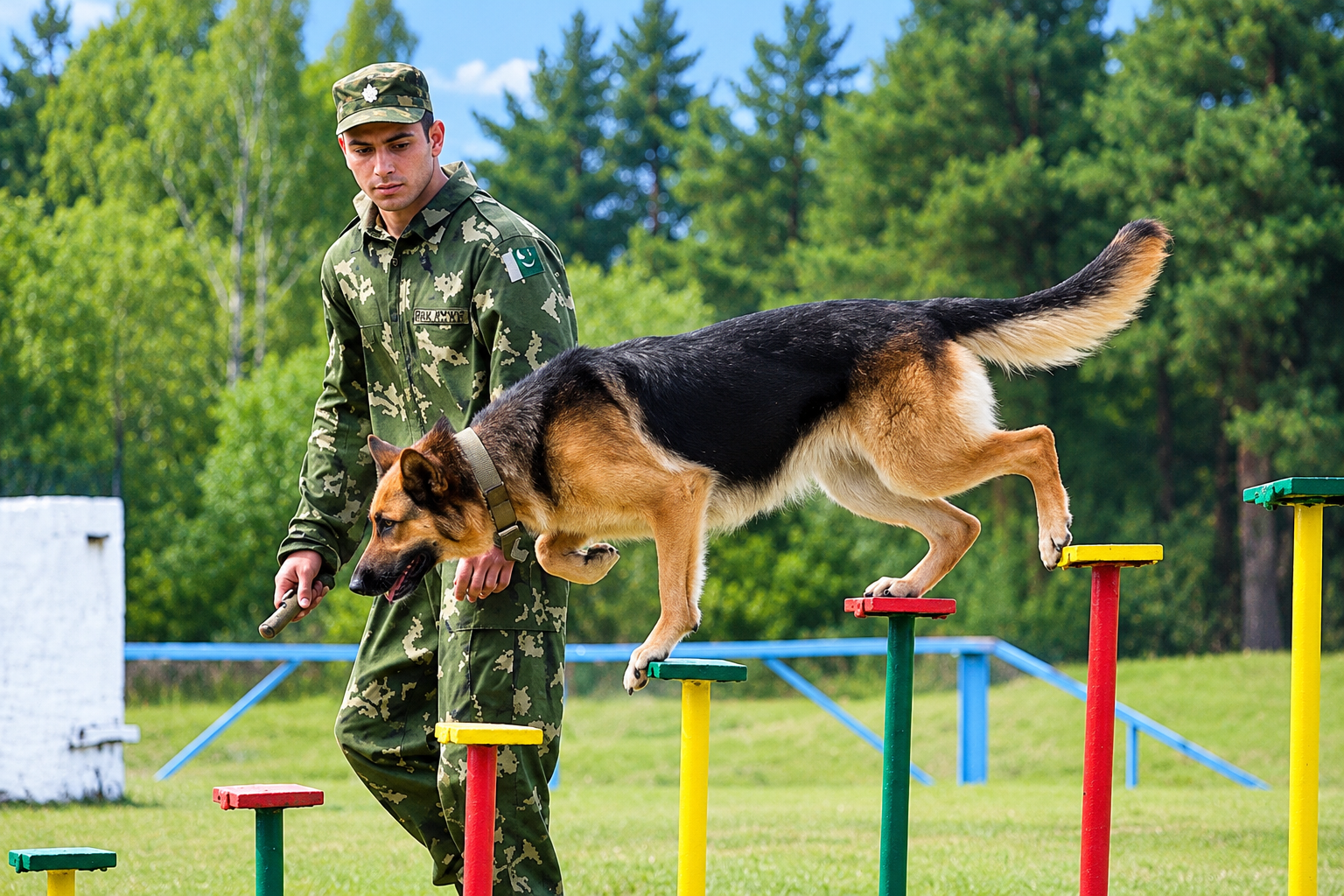
Border Collies, Poodles, and German Shepherds are commonly recognized for their responsiveness to training. However, individual temperament, socialization, and training quality remain important factors.
5. Does Stubborn Behavior Mean a Dog Is Not Smart?
No. Stubborn behavior may reflect independence, distraction, fear, insufficient motivation, or confusion about a command. Understanding the reason for the behavior is more useful than labeling the dog.
6. How Can I Choose the Right Dog Breed for My Family?
Consider your daily routine, living space, experience with dogs, grooming preferences, exercise availability, and the breed’s typical temperament. Researching these factors can help you choose a dog whose needs fit your household.
Conclusion
The phrase dumbest dog breed may attract attention, but it does not tell the whole story of canine intelligence. Afghan Hounds, Basenjis, Bulldogs, Beagles, and other independent breeds may require a more tailored approach to obedience training, yet each has distinctive abilities and characteristics.
Rather than judging a dog by how quickly it follows commands, owners should consider its instincts, temperament, health, and learning style. With appropriate care, positive reinforcement, and realistic expectations, many dogs that seem stubborn can become well-adjusted and rewarding companions.
Ultimately, choosing the right dog means finding a breed and individual temperament that suit your lifestyle—not simply choosing the dog that ranks highest in obedience.



1 Comment
[…] Grooming needs: Regular brushing and additional care during shedding seasons. […]