
Dog training border collie is essential for raising a confident, obedient, and well-adjusted companion. Border Collies are highly intelligent working dogs known for their energy, focus, and ability to learn quickly. However, their intelligence also means they need consistent training, daily mental stimulation, and appropriate physical exercise. With the right approach, you can teach your Border Collie good manners, strengthen your bond, and encourage positive behavior at every stage of life.
In this guide, you will discover effective Border Collie training techniques, essential commands, puppy training advice, solutions to common behavioral challenges, and practical ways to keep your dog mentally engaged.
Understanding Border Collie Temperament
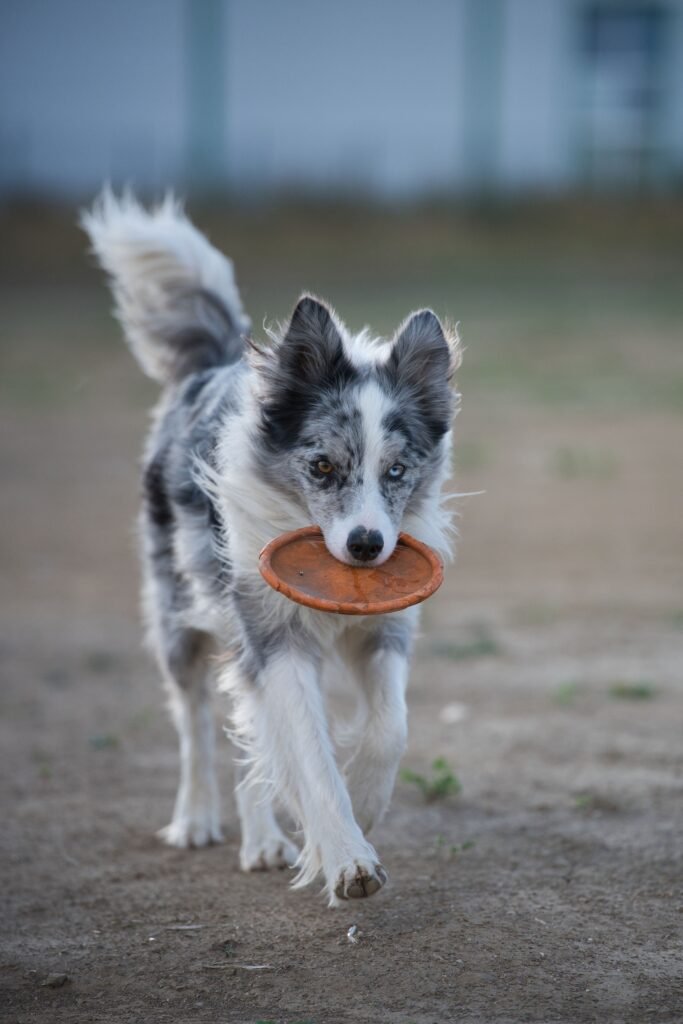
Border Collies were originally developed for herding livestock, particularly sheep. Their strong work ethic, responsiveness, and problem-solving abilities made them valuable working dogs. Today, these qualities also make them excellent companions for owners who can meet their exercise, training, and enrichment needs.
Before starting a training program, it is important to understand the characteristics that influence their behavior.
- Intelligence: Border Collies often learn commands and routines quickly.
- High energy: They benefit from regular, age-appropriate exercise.
- Herding instincts: They may attempt to chase moving objects or herd other animals.
- Sensitivity: Many respond best to calm, reward-based instruction.
- Mental engagement: They need opportunities to explore, learn, and solve problems.
Every dog is an individual. Understanding your Border Collie’s personality, health, and learning pace will help you create a more effective training routine.
Why Is Border Collie Training Important?
Training helps your dog understand which behaviors are appropriate in different situations. It also builds communication, encourages confidence, and makes everyday activities easier to manage.
A consistent training routine can help you:
- Develop reliable responses to basic commands.
- Improve leash manners and recall.
- Encourage calm behavior around visitors.
- Manage unwanted chasing and excessive barking.
- Reduce boredom-related behaviors.
- Build trust between you and your dog.
Training should focus on teaching your dog what to do rather than simply correcting unwanted behavior. Patience, consistency, and positive reinforcement are essential for long-term progress.
Essential Commands for Dog Training Border Collie
Start with basic commands in a quiet environment with minimal distractions. Keep sessions short and reward your dog when they respond correctly.
1. Teach the Sit Command
The sit command is a useful foundation for everyday manners, polite greetings, and impulse control.
How to teach it:
- Hold a small treat near your dog’s nose.
- Slowly move the treat upward so your dog naturally lowers their hindquarters.
- Say “sit” as your dog moves into the position.
- Reward immediately with a treat and praise.
- Repeat a few times before taking a break.
Avoid pushing your dog’s body into position. Allow them to learn the movement naturally and reward their progress.
2. Build a Reliable Stay
The stay command teaches your dog to remain in one position until released.
Ask your Border Collie to sit, give your stay cue, and wait for a second or two. Reward your dog if they remain in place. Gradually increase the duration and distance as they become more confident.
If your dog gets up, calmly reset the exercise and make the next attempt easier. Practise in different safe environments before introducing significant distractions.
3. Improve Recall
Recall is the ability to return when called. It is particularly important for active dogs that may become distracted by toys, wildlife, or moving objects.
Begin indoors or in a secure, fenced area. Say your dog’s name followed by a consistent cue, such as “come.” When your dog reaches you, reward them with something they enjoy.
Keep recall practice positive and avoid using the cue only when an enjoyable activity is ending. Use a leash or long line in open spaces until your dog responds reliably.
4. Teach Leave It
The leave-it command helps your dog move away from objects they should not investigate or pick up.
Start with a low-value item in your closed hand. When your dog stops trying to reach it, mark the behavior with “yes” and reward them with a different treat. Gradually practise with more challenging distractions.
For dangerous objects, prevent access and move your dog away safely. Training should not replace supervision or appropriate environmental management.
5. Encourage Loose-Leash Walking
A Border Collie may pull on walks when excited by new sights, smells, and movement. Loose-leash training teaches your dog that walking calmly beside you is rewarding.
Begin in a quiet area. Reward your dog whenever the leash remains loose. If they pull, pause or gently change direction when safe, then reward them for returning to a comfortable walking position.
Increase distractions gradually, and consider a well-fitted harness if it suits your dog’s needs.
Positive Reinforcement: The Foundation of Effective Training
Positive reinforcement involves rewarding a behavior so that your dog is more likely to repeat it. It is a practical, humane approach for teaching commands, improving manners, and building confidence.
Useful rewards include:
- Small, suitable training treats.
- Verbal praise.
- Favorite toys.
- Short play sessions.
- Access to safe activities your dog enjoys.
For example, if your Border Collie calmly waits before going outside, reward that behavior. Repeated practice helps your dog understand which actions lead to positive outcomes.
Consistency matters just as much as rewards. Use clear cues, establish realistic expectations, and make sure household members follow similar training rules.
Avoid hitting, frightening, or harshly correcting your dog. These methods can undermine trust and may worsen fear or reactivity. If a behavior is difficult to manage, seek help from a qualified, reward-based trainer.
Exercise and Mental Stimulation for Border Collies
Border Collies generally need a combination of physical activity and mental enrichment. The right amount depends on age, health, fitness, and individual temperament.
Exercise can support well-being, but it should not replace teaching your dog how to settle and relax.
Recommended Physical Activities
Depending on your dog’s age and abilities, suitable activities may include:
- Daily walks with opportunities to sniff and explore.
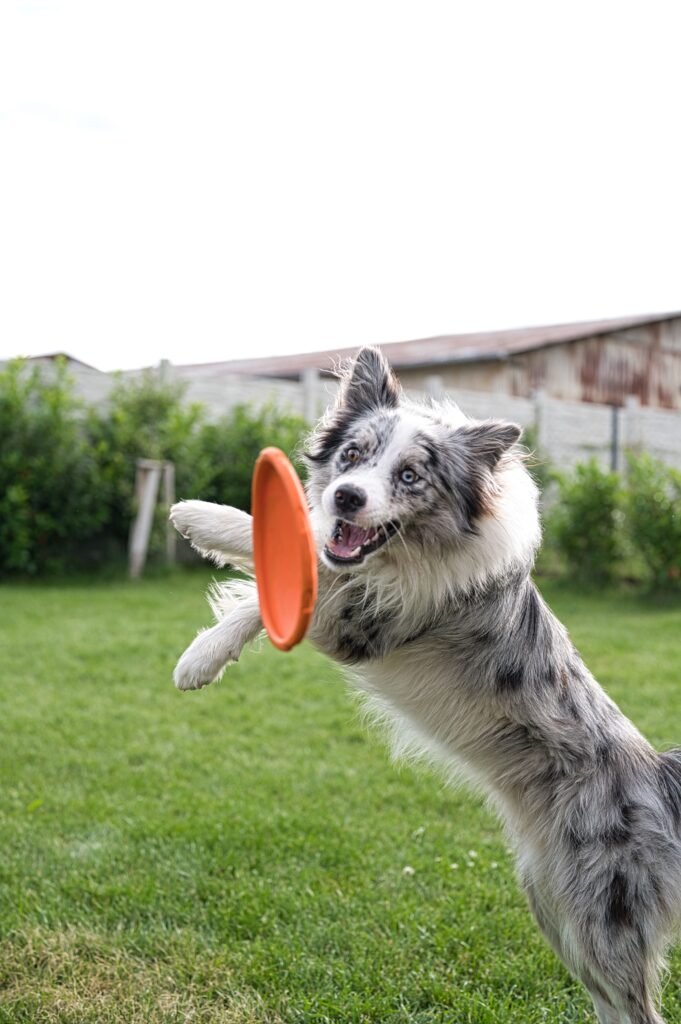
- Fetch in a secure area.
- Supervised play with appropriate toys.
- Beginner agility exercises when physically suitable.
- Outdoor adventures with suitable preparation.
Avoid strenuous, repetitive exercise for puppies whose bodies are still developing. Ask your veterinarian for guidance on age-appropriate activity.
Mental Enrichment Activities
Mental enrichment gives your dog opportunities to use natural problem-solving skills. Try scent games, food puzzles, hide-and-seek with toys, or short trick-training sessions.
You can also incorporate training into daily routines. Reward your dog for settling calmly while you work or waiting patiently before meals.
Offer a variety of activities and provide enough rest. If your dog becomes distracted, frustrated, or tired, end the session and try again later.
How to Train a Border Collie Puppy
Early training helps puppies develop healthy habits and become comfortable with everyday experiences. Begin with gentle, reward-based exercises when your puppy arrives home.
Establish a Toilet Routine
Take your puppy to the appropriate toilet area after waking, eating, drinking, and playing. Offer regular opportunities throughout the day and reward successful toileting immediately.
If an accident occurs, clean the area thoroughly and review the routine. Punishment is unlikely to teach your puppy where to go and may create anxiety.
Introduce Crate Training Gradually
A crate can provide a safe resting area when introduced positively. Allow your puppy to explore it voluntarily, reward calm entry, and make the space comfortable.
Never use the crate as punishment or confine your puppy for longer than is appropriate for their age and needs.
Encourage Positive Socialization
Gradually introduce your puppy to different people, everyday sounds, surfaces, and environments. Keep these experiences calm and positive, allowing your puppy to move away if they feel uncomfortable.
Ask your veterinarian about safe socialization before your puppy has completed their vaccinations. Avoid overwhelming encounters and supervise interactions with other animals and children.
Teach Appropriate Play
Puppies naturally explore the world with their mouths. Redirect biting toward suitable toys and briefly pause play when it becomes too rough. Reward gentle interactions and provide enough rest, as overtired puppies may struggle to control their behavior.
Training an Adult Border Collie
Adult Border Collies can learn new commands, improve existing habits, and develop confidence through ongoing training. If you adopt an adult dog, begin by understanding their current skills, experiences, and triggers.
Start with manageable goals, such as responding to their name, walking calmly on a leash, or settling on a mat. Reward progress and gradually introduce more challenging situations.
If your dog jumps on visitors, for example, practise calm greetings at a comfortable distance. Reward your dog for keeping all four paws on the floor and increase the difficulty gradually.
Allow time for adjustment if your dog has recently moved into a new home. A predictable routine and patient guidance can help build confidence.
Common Border Collie Behavior Problems and Solutions
Understanding why a behavior occurs is an important first step toward improving it. Avoid assuming that every challenge is caused by excess energy or a lack of obedience.
Excessive Barking
Border Collies may bark because of excitement, alertness, frustration, fear, or a desire for attention.
Observe when the barking happens and reduce avoidable triggers where possible. Reward quiet behavior and teach an alternative, such as settling on a mat. Shouting may increase excitement rather than resolve the problem.
If barking begins suddenly or appears linked to distress, consult your veterinarian or a qualified behavior professional.
Chasing Cars and Moving Objects
Herding instincts may make moving objects especially interesting to a Border Collie. Chasing traffic is dangerous, so prevention is essential.
Keep your dog securely leashed near roads, use appropriate barriers, and practise attention and recall in safe environments. Reward your dog for noticing movement and then turning their attention back to you.
Never test recall near traffic or allow your dog to practise dangerous chasing behavior.
Chewing Furniture and Household Items
Chewing may be related to puppy development, boredom, stress, or a lack of suitable chew options.
Provide safe chew toys, supervise your dog, and keep household items out of reach. Reward your dog for choosing appropriate toys.
If chewing occurs mainly when your dog is alone and is accompanied by signs of distress, consult your veterinarian or a qualified behaviorist.
Pulling on the Leash
Dogs may pull because moving forward brings them closer to something interesting. Practise loose-leash walking in quiet locations and reward your dog for staying near you.
If your dog becomes too excited to respond, increase the distance from the distraction and resume training at an easier level.
Difficulty Settling at Home
Some Border Collies need help learning how to relax. Reward calm behavior, such as lying on a mat or resting quietly with an appropriate toy.
Create a predictable daily routine that includes exercise, mental enrichment, and downtime. Increasing physical activity alone may not resolve restlessness, particularly if stress or difficulty settling is involved.
Common Mistakes to Avoid in Border Collie Training
Even well-intentioned owners can make training more difficult by overlooking their dog’s individual needs.
Training for too long: Extended sessions may lead to frustration or fatigue. Keep sessions brief and enjoyable.
Repeating commands unnecessarily: Repeated cues can make communication less clear. Make the exercise easier and reward the correct response.
Relying on punishment: Harsh corrections can create fear and damage trust. Teach an appropriate alternative and reward it consistently.
Ignoring mental enrichment: Walks are valuable, but dogs also benefit from scent games, puzzles, and learning activities.
Expecting immediate results: Dogs need repetition and practice in different environments before a behavior becomes reliable.
Overlooking health concerns: Pain or illness can affect behavior. Contact your veterinarian if your dog develops a sudden change in activity, appetite, focus, or temperament.
Nutrition and Health: Supporting Your Dog’s Training
A complete and balanced diet supports your Border Collie’s overall health and daily activity needs. Training treats can be useful rewards, but keep portions appropriate and account for treats within your dog’s daily food intake.
Provide fresh drinking water, suitable rest, and regular veterinary care. Choose food that meets your dog’s life-stage and individual nutritional requirements. Your veterinarian can help you select an appropriate diet if your dog has digestive concerns, allergies, or other health needs.
No particular food guarantees better behavior or intelligence. Nutrition works alongside consistent training, physical activity, mental enrichment, and adequate rest.
If your Border Collie seems unusually tired, regularly loses interest in food, or develops digestive symptoms, seek veterinary advice rather than assuming the dog is being stubborn.
When to Seek Professional Dog Training Help
Some behavioral challenges need more support than a home training routine can provide.
A qualified, reward-based dog trainer can help with basic obedience, leash manners, recall, and everyday behavior. A qualified veterinary behavior professional may be appropriate for persistent fear, severe reactivity, aggression, resource guarding, or separation-related distress.
Your veterinarian should assess sudden behavioral changes or possible pain and illness. Professional guidance can help identify triggers, improve safety, and develop a plan suited to your dog’s individual needs.
Frequently Asked Questions
Are Border Collies easy to train?
Border Collies are generally highly trainable because they are intelligent and responsive to learning. However, their energy, sensitivity, and herding instincts mean they benefit from consistent guidance, mental stimulation, and positive reinforcement.
What is the best age to start training a Border Collie?
Gentle training can begin when a puppy arrives home. Start with simple skills such as responding to their name, toilet routines, and calm handling. Adult and senior dogs can also learn new behaviors.
How long should a Border Collie training session last?
Sessions of around five to ten minutes can be a useful starting point for many dogs. Puppies may benefit from shorter sessions. Adjust the duration to your dog’s attention, comfort, and energy level.
How can I stop my Border Collie from chasing things?
Prevent unsafe chasing with a leash, secure barriers, and careful supervision. Practise attention and recall away from distractions, then gradually introduce manageable challenges in safe environments. Never practise near traffic or other hazards.
Do Border Collies need mental stimulation every day?
Yes. Regular mental enrichment provides appropriate outlets for their curiosity and intelligence. Scent games, puzzle toys, trick training, and short learning sessions are useful options.
Can an adult Border Collie learn new commands?
Yes. Adult Border Collies can learn new skills at any age. Begin with achievable goals, use positive reinforcement, and gradually increase the difficulty as your dog becomes more confident.
Final Thoughts
Successful Border Collie training depends on patience, consistency, and an understanding of the breed’s unique needs. By teaching basic commands, using positive reinforcement, providing appropriate exercise, and offering regular mental enrichment, you can help your dog develop better manners and greater confidence.
Remember that every dog learns at a different pace. Celebrate small improvements, make training enjoyable, and seek professional advice when a behavior becomes difficult to manage.
With a thoughtful training routine and a positive relationship, your Border Collie can become a well-adjusted companion and a valued member of your family.





1 Comment
[…] A predictable daily routine helps rescue dogs understand what to expect and can reduce uncertainty during the transition to a new home. […]