
Small fluffy dog care tip is an important topic for pet owners who want to keep their dogs healthy, comfortable, and well-groomed. Small fluffy dogs are loved for their soft coats, charming personalities, and affectionate nature. However, maintaining their coat, providing proper nutrition, and meeting their daily exercise needs require consistent care.
Whether you own a Pomeranian, Bichon Frise, Shih Tzu, or another small fluffy breed, understanding your dog’s individual needs can make a significant difference to its overall well-being.
In this guide, we explore 12 essential small fluffy dog care tips, covering grooming, bathing, nutrition, exercise, training, dental hygiene, and preventive health care.
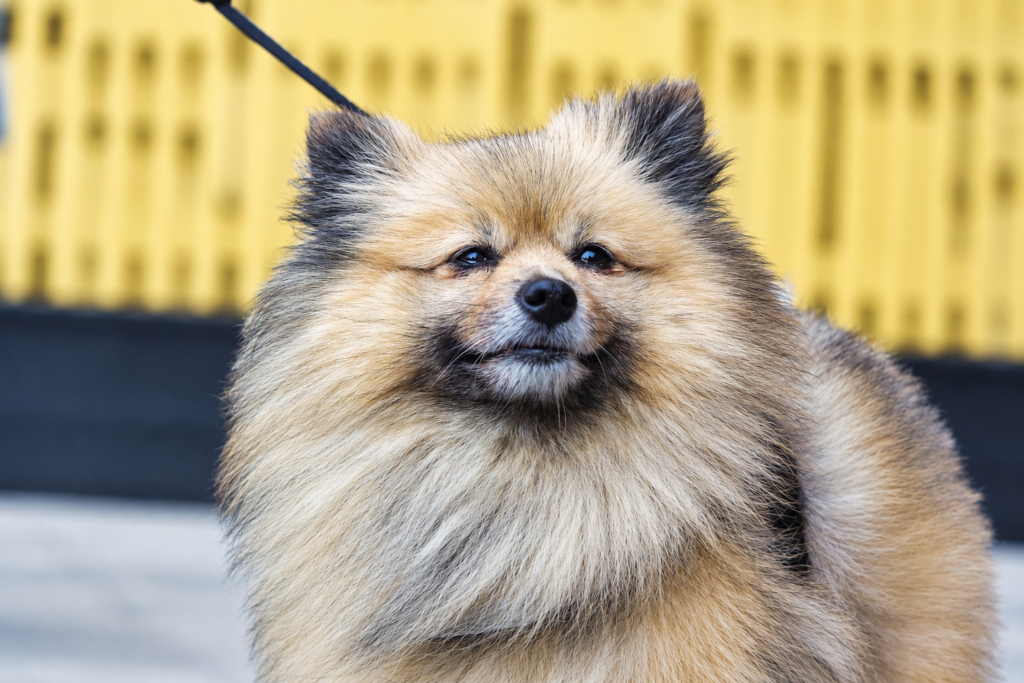
1. Brush Your Dog’s Coat Regularly
Regular brushing is essential for maintaining a clean, healthy coat. Small fluffy dogs can develop tangles and mats, particularly around the ears, under the legs, and near the collar.
The ideal brushing frequency depends on your dog’s breed and coat type. Long-haired and dense-coated breeds may require daily brushing, while other dogs may need it less frequently.
Professional grooming recommendations:
- Choose a brush suitable for your dog’s coat texture.
- Brush gently to prevent discomfort and skin irritation.
- Check frequently for hidden tangles and mats.
- Inspect the skin for redness, irritation, or unusual changes.
- Seek professional grooming assistance for severe matting.
Consistent brushing helps remove loose hair and debris while keeping the coat manageable. It also gives you an opportunity to identify potential skin problems early.
2. Maintain a Suitable Bathing Routine
Bathing helps remove dirt, odors, and debris from your dog’s coat. However, excessive bathing can dry out the skin, so the frequency should depend on your dog’s coat condition, lifestyle, and veterinary recommendations.
Always use a shampoo formulated specifically for dogs. Human shampoos may irritate a dog’s skin because their formulations differ from those designed for pets.
Follow these steps for a comfortable bathing experience:
- Brush the coat before bathing to loosen tangles.
- Use lukewarm water and dog-safe shampoo.
- Avoid getting shampoo or water directly into the eyes and ear canals.
- Rinse thoroughly to remove product residue.
- Dry the coat carefully, paying particular attention to dense-haired areas.
If your dog develops persistent itching, redness, or flaky skin, consult a veterinarian instead of increasing the frequency of baths or changing products repeatedly.
3. Use Appropriate Grooming Tools
Choosing the right grooming tools makes regular coat maintenance easier and more comfortable. Different breeds have different coat textures, so select tools according to your dog’s needs.
| Grooming tool | Primary purpose |
| Slicker brush | Helps remove loose hair and gently work through tangles |
| Metal comb | Helps identify smaller knots and hidden mats |
| Dog-specific shampoo | Cleans the coat with a product formulated for dogs |
| Soft towel | Absorbs excess water after bathing |
| Dog nail clippers | Help maintain an appropriate nail length |
Introduce grooming tools gradually, especially if your dog is nervous. Use calm handling and positive reinforcement to build a positive association with grooming.
4. Arrange Professional Coat Trimming When Needed
Some small fluffy breeds benefit from regular professional grooming to keep their coats clean and manageable. The appropriate trimming schedule depends on the breed, coat growth, and individual grooming requirements.
Avoid shaving a double-coated dog simply to make it cooler in summer. A dog’s coat can provide insulation and help protect its skin, and shaving may interfere with normal coat regrowth.
Consult an experienced groomer about a suitable style for your dog’s coat. Trimming around sensitive areas should be performed carefully to avoid accidental injury.
5. Provide Balanced and Appropriate Nutrition
Nutrition plays an important role in maintaining your dog’s energy, skin, coat, and overall health. Small fluffy dogs need complete and balanced food that meets their nutritional requirements.
Choose a food appropriate for your dog’s age, size, activity level, and health status. Puppies, adult dogs, and senior dogs may have different nutritional needs.
Essential nutrition tips:
- Measure food portions according to appropriate feeding guidance.
- Avoid excessive treats and table scraps.
- Provide fresh, clean drinking water throughout the day.
- Choose complete and balanced dog food.
- Consult your veterinarian before introducing supplements.
A dull coat or unusual hair loss can have several causes, including skin conditions and nutritional problems. If these changes persist, arrange a veterinary examination rather than relying on supplements alone.
6. Provide Daily Exercise and Mental Stimulation
Although small fluffy dogs may have lower exercise requirements than some larger breeds, they still need regular physical activity and mental stimulation.
Exercise requirements vary according to breed, age, health, and temperament. Many small dogs enjoy short walks, interactive games, and reward-based training sessions.
Suitable activities include:
- Short daily walks.
- Supervised fetch and gentle play.
- Food puzzles and interactive toys.
- Basic obedience training.
- Safe exploration in an appropriate outdoor area.
Monitor your dog during activity and allow rest when needed. Avoid forcing exercise if your dog appears tired, uncomfortable, or overheated.
7. Protect Your Dog From Temperature Extremes
Small dogs can be vulnerable to temperature extremes, but their level of sensitivity depends on their coat, age, health, and individual characteristics.
During cold weather, a suitable dog sweater may help dogs that need additional warmth. During hot weather, provide shade, fresh water, and a cool resting place. Schedule walks during cooler periods and avoid hot surfaces that could injure paw pads.
Watch for signs of overheating, including excessive panting, weakness, vomiting, or collapse. These symptoms require prompt veterinary attention.
Never leave your dog unattended in a parked vehicle, even for a short period.
8. Establish a Regular Dental Care Routine
Dental hygiene is an important part of small dog care. Plaque accumulation can contribute to gum inflammation, discomfort, and other oral health problems.
Brush your dog’s teeth with a dog-specific toothbrush and toothpaste. Human toothpaste should not be used because certain ingredients can be harmful to pets.
Ask your veterinarian about appropriate dental chews and professional dental cleaning.
Common warning signs include persistent bad breath, red or bleeding gums, difficulty chewing, and reduced interest in food. A veterinary examination can help identify dental problems before they become more serious.
9. Check the Ears and Eyes Regularly
Regular ear and eye checks help you identify signs of irritation before they worsen. Dogs with floppy ears or facial hair may require particular attention, depending on their breed and individual needs.
For ear care:
- Check for redness, unusual odor, discharge, or excessive wax.
- Use a veterinarian-recommended ear cleaner when appropriate.
- Avoid inserting cotton swabs deep into the ear canal.
- Contact a veterinarian if your dog repeatedly scratches its ears or shakes its head.
For eye care, gently clean minor discharge around the eyes with a clean, damp cloth. Avoid applying human eye drops unless specifically recommended by your veterinarian.
Squinting, swelling, eye pain, or thick discharge should be assessed promptly.
10. Keep Nails and Paws in Good Condition
Overgrown nails can cause discomfort and interfere with normal walking. Inspect your dog’s nails regularly and trim them when necessary.
Use suitable dog nail clippers and avoid cutting too close to the sensitive inner portion of the nail. If you are unsure about the correct technique, ask a veterinarian or professional groomer to demonstrate.
After walks, inspect your dog’s paws for cuts, redness, trapped debris, or irritation between the toes. Keep the paws clean and dry, and seek veterinary advice if a problem persists.
11. Use Positive Reinforcement for Training
Training supports good behavior, confidence, and safety. Small dogs benefit from the same basic training principles as larger breeds.
Start with essential skills such as sit, stay, come, leash walking, and appropriate toilet habits. Keep sessions short and consistent, particularly for young puppies.
Positive reinforcement uses rewards such as praise, play, or small treats to encourage desirable behavior. Avoid harsh punishment, which may cause fear and make learning more difficult.
Teach your dog to greet visitors calmly and respond appropriately to everyday situations. Proper socialization and training can help prevent unwanted barking and improve your dog’s confidence around people and other animals.
12. Schedule Regular Veterinary Checkups
Preventive veterinary care is essential for maintaining your dog’s health. Routine visits allow your veterinarian to assess your pet’s condition and recommend appropriate vaccinations, parasite prevention, dental care, and other health measures.
Contact a veterinarian if you notice persistent itching, unusual hair loss, changes in appetite, repeated digestive problems, limping, unexplained tiredness, or changes in behavior.
Never give your dog human medication or change a prescribed dose without veterinary guidance. Small dogs can be particularly vulnerable to dosing errors.
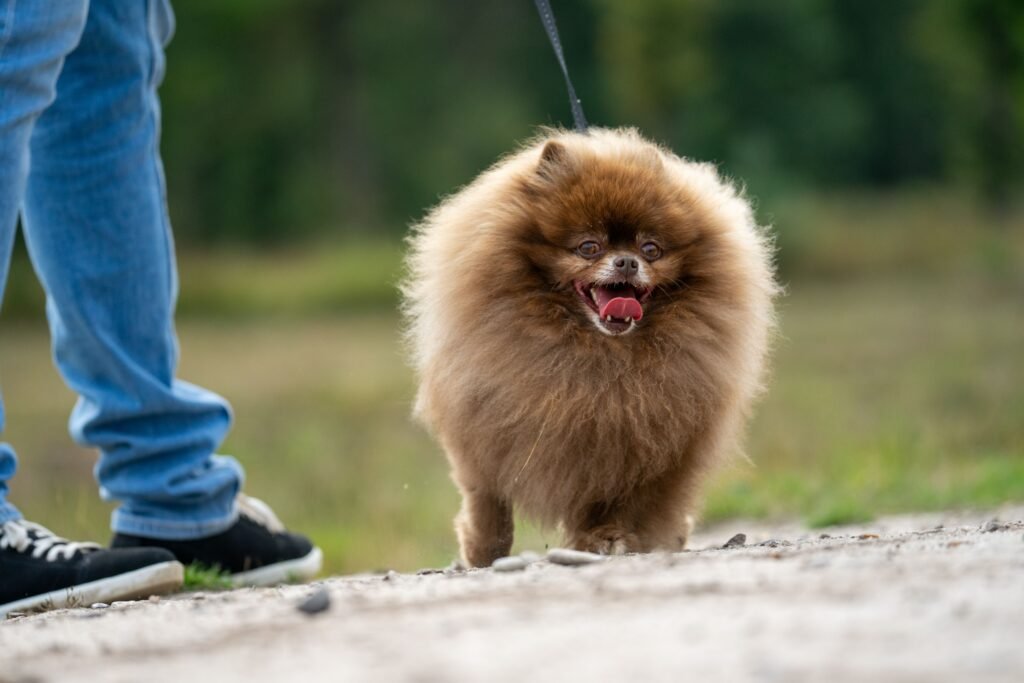
Small Fluffy Dog Care Schedule
A consistent routine makes it easier to maintain your dog’s hygiene and overall well-being. The following schedule is a general guide and should be adjusted according to your dog’s individual needs.
| Frequency | Recommended care |
| Daily | Fresh water, balanced meals, exercise, play, and general health checks |
| Daily or several times weekly | Brushing, depending on coat type |
| Weekly | Check the ears, eyes, paws, nails, and coat |
| As needed | Bathing and professional grooming |
| As recommended by your veterinarian | Vaccinations, parasite prevention, and dental examinations |
Dogs with dense or easily tangled coats may need more frequent brushing than other breeds. Your veterinarian or groomer can help you establish a suitable routine.
Common Small Fluffy Dog Care Mistakes
Even attentive pet owners can overlook important aspects of small dog care. Avoiding these common mistakes can help support your dog’s comfort and health.
Neglecting regular brushing: Mats can develop beneath the visible surface of the coat and cause discomfort.
Using unsuitable grooming products: Human shampoos and other inappropriate products may irritate a dog’s skin.
Overfeeding treats: Excessive treats can contribute to unwanted weight gain and disrupt a balanced diet.
Ignoring training and socialization: Small dogs still require clear boundaries, consistent training, and appropriate exposure to everyday situations.
Overlooking changes in health: Persistent itching, dental discomfort, and unusual behavior should not be ignored.
Shaving without considering coat type: Some coats provide important protection, so consult a professional before making significant changes.
Frequently Asked Questions
How often should you brush a small fluffy dog?
Brushing frequency depends on the breed and coat type. Long-haired and dense-coated dogs may need daily brushing, while other dogs may require less frequent grooming. Regularly inspect the coat for tangles and mats.
What is the best way to care for a small fluffy puppy?
Provide age-appropriate nutrition, fresh water, gentle grooming, safe exercise, positive training, and routine veterinary care. Introduce handling and grooming gradually to help your puppy become comfortable with these activities.
How often should you bathe a small fluffy dog?
There is no single bathing schedule suitable for every breed. Consider your dog’s coat, lifestyle, and skin condition, and use a dog-specific shampoo. Your veterinarian can advise you if your dog has sensitive skin or recurring skin problems.
Do small fluffy dogs need professional grooming?
Some breeds benefit from regular professional grooming, particularly dogs with long, curly, or continuously growing coats. An experienced groomer can help maintain coat condition and safely manage difficult tangles.
Are small fluffy dogs suitable for apartment living?
Many small breeds can adapt to apartment living, but suitability depends on temperament, exercise needs, barking behavior, and training. Consider the dog’s individual characteristics rather than choosing based on size alone.
What food is best for a small fluffy dog?
Choose a complete and balanced dog food appropriate for your pet’s age, size, activity level, and health needs. Follow suitable portion guidance and consult a veterinarian if you need help selecting a diet.
How can I keep my small fluffy dog’s coat healthy?
Regular brushing, appropriate bathing, balanced nutrition, adequate hydration, and preventive veterinary care can help maintain a healthy coat. Persistent itching, bald patches, or skin irritation should be assessed by a veterinarian.
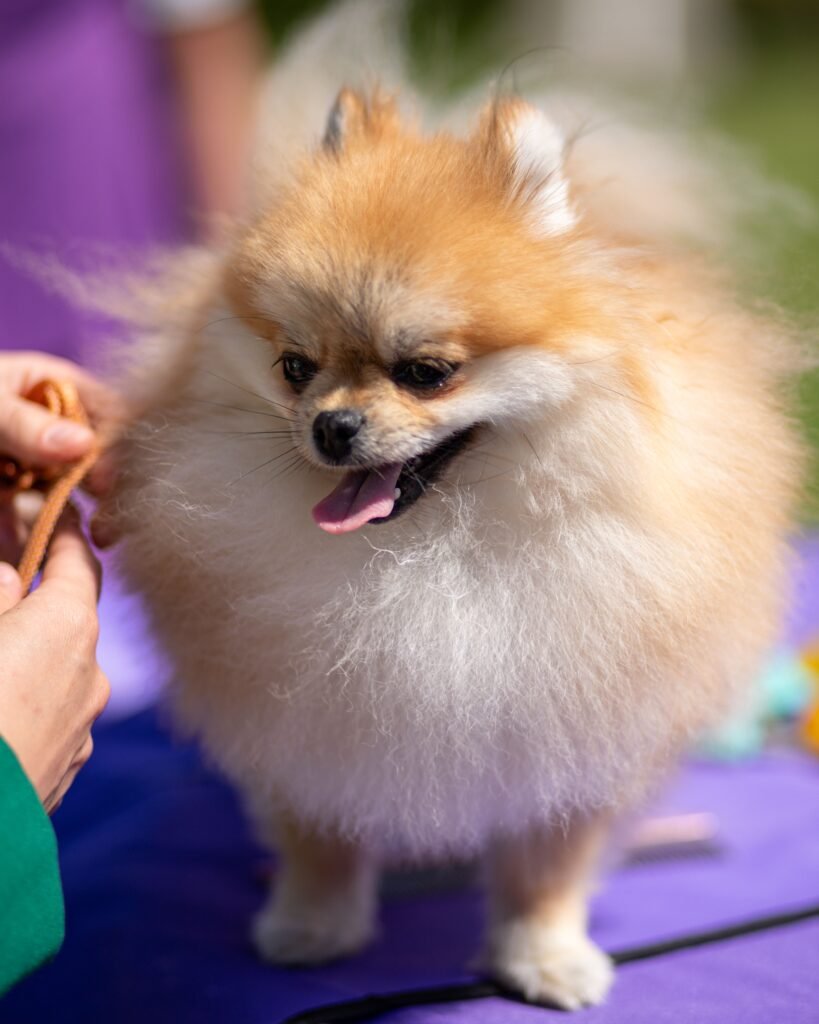
Conclusion
Providing the right care for a small fluffy dog involves more than maintaining its attractive coat. Regular grooming, balanced nutrition, appropriate exercise, dental hygiene, positive training, and preventive veterinary care all contribute to a healthy and comfortable life.
By following these small fluffy dog care tips, you can develop a consistent routine tailored to your dog’s breed, coat type, age, and lifestyle. Every dog has individual needs, so observe your pet closely and seek professional advice whenever health concerns arise.
With patience, consistency, and responsible care, you can help your small fluffy companion enjoy a happier and healthier life.


1 Comment
[…] Useful rewards include: […]