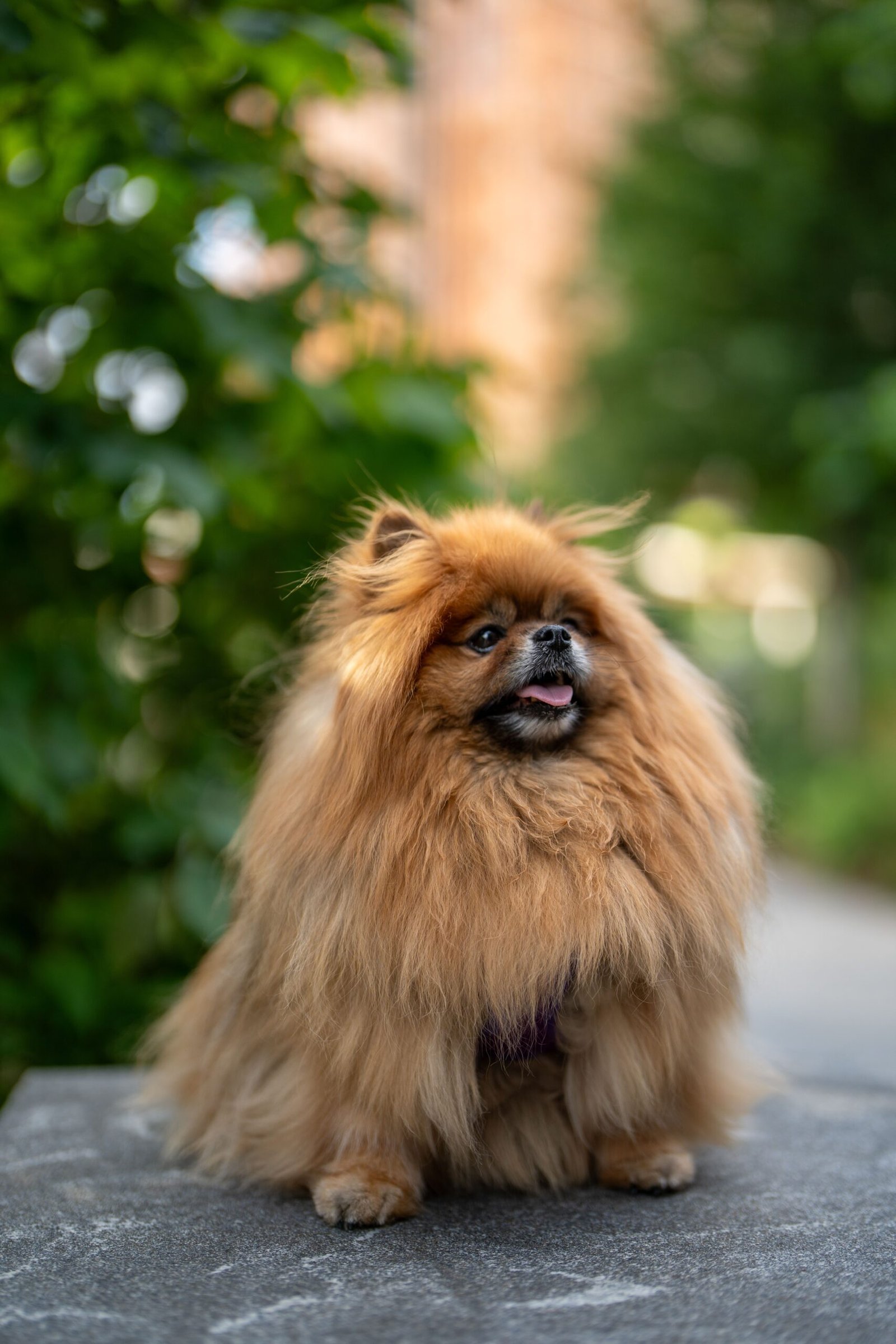
Fluffy dog breeds are loved for their soft coats, adorable appearances, and affectionate personalities. From tiny Pomeranians to giant Newfoundland dogs, these breeds come in different sizes, colors, and temperaments. Some are playful and energetic, while others are calm and gentle family companions. However, owning a fluffy dog also means understanding its grooming needs, shedding habits, exercise requirements, and overall care. In this guide, you will discover 15 beautiful fluffy dog breeds and learn how to choose the right companion for your lifestyle.
What Are Fluffy Dog Breeds?
Fluffy dog breeds are dogs with thick, soft, curly, or long coats that give them a fluffy appearance. Many have double coats consisting of a soft undercoat and a protective outer coat. This helps certain breeds stay comfortable in cold weather.
Other fluffy dogs have continuously growing hair that needs regular trimming. Their coat type determines how often they need brushing, bathing, and professional grooming.
Although fluffy dogs look adorable, their care requirements can vary significantly. Before choosing a breed, consider your living space, daily schedule, activity level, and ability to maintain the dog’s coat.
15 Best Fluffy Dog Breeds You Will Love
1. Pomeranian
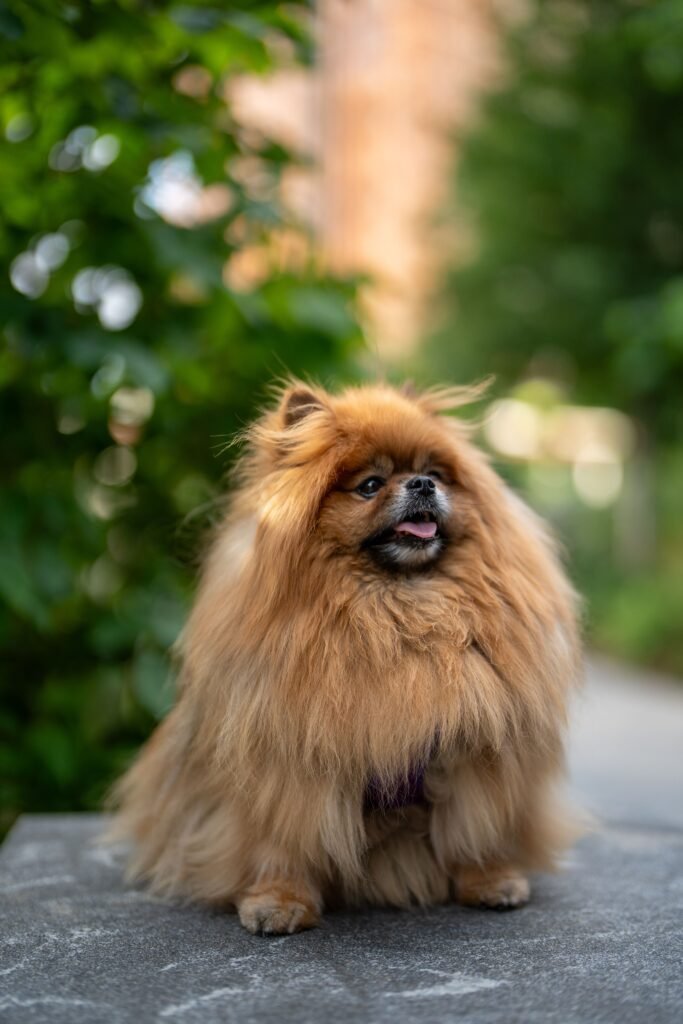
Pomeranians are small dogs famous for their fluffy coats, fox-like faces, and lively personalities. Despite their tiny size, they are confident, curious, and often alert to everything happening around them.
Their thick double coat gives them a round, fluffy appearance. Regular brushing helps remove loose hair and reduce tangles. Pomeranians may also bark frequently, so early training and socialization are important.
Best for: People looking for a small, lively companion.
Grooming needs: Regular brushing and occasional professional grooming.
2. Samoyed
The Samoyed is one of the most recognizable white fluffy dog breeds. It has a thick, bright coat, dark eyes, and a characteristic smiling expression. Originally developed for working in cold regions, Samoyeds are active, friendly, and social dogs.
Their dense double coat requires frequent brushing, especially during seasonal shedding. They also need daily exercise and activities that keep their minds engaged.
Samoyeds generally enjoy spending time with their families and may struggle if left alone for long periods.
Best for: Active families who enjoy outdoor activities.
Grooming needs: Frequent brushing and extra care during heavy shedding seasons.
3. Bichon Frise
The Bichon Frise is a cheerful small dog known for its soft, curly white coat. Its friendly personality and compact size make it a popular companion for many households.
Unlike many heavy-shedding double-coated breeds, the Bichon Frise typically sheds less visibly. However, its hair can become tangled and matted without consistent grooming.
Regular brushing, professional haircuts, and gentle coat care help maintain its fluffy appearance. Early socialization also helps this breed become comfortable around different people and pets.
Best for: Families and individuals who want a small, affectionate companion.
Grooming needs: Frequent brushing and regular haircuts.
4. Chow Chow
The Chow Chow is a distinctive breed with a thick coat, broad head, and lion-like appearance. It can have a particularly impressive mane around its neck and shoulders.
Chow Chows are often independent and reserved around unfamiliar people. They benefit from early socialization, patient training, and consistent handling.
Their dense coat needs regular brushing to prevent tangles and compacted undercoat. Owners should also check the skin beneath the fur because thick coats can make certain skin problems difficult to notice.
Best for: Experienced dog owners who appreciate an independent companion.
Grooming needs: Consistent brushing and regular coat inspections.
5. Newfoundland
Newfoundland dogs are giant, fluffy companions known for their gentle nature and impressive size. They were historically used as working dogs around water and are often associated with their strength and swimming abilities.
Despite their large appearance, many Newfoundlands are patient and affectionate with their families. However, they require enough space, regular exercise, and careful management of their heavy coats.
Their thick fur can trap moisture and dirt if it is not dried properly. Regular brushing is essential, particularly behind the ears, around the legs, and in other areas where tangles develop.
Best for: Households that can accommodate a large dog and its care needs.
Grooming needs: Frequent brushing, thorough drying, and regular coat checks.
6. Keeshond
The Keeshond is a medium-sized fluffy dog with a thick coat, expressive face, and distinctive markings. It is known for being affectionate, alert, and social.
Keeshonds often enjoy family activities and can adapt to different home environments when their exercise and companionship needs are met.
Their double coat requires regular brushing to remove loose hair and prevent the undercoat from becoming tangled. Seasonal shedding can be substantial, so prospective owners should be prepared for extra cleaning.
Best for: Families who want an alert and affectionate dog.
Grooming needs: Regular brushing and additional care during shedding seasons.
7. Shih Tzu
The Shih Tzu is a small companion breed with long, flowing hair and a friendly personality. It was developed primarily as a companion dog and generally enjoys spending time with its family.
Its coat can grow long enough to cover much of its body, creating an elegant, fluffy appearance. However, long hair tangles easily, particularly around the ears, legs, and collar area.
Daily or frequent brushing helps prevent painful mats. Many owners choose a shorter haircut to make everyday maintenance easier.
Best for: People who want a small indoor companion.
Grooming needs: Frequent brushing and regular haircuts.
8. American Eskimo Dog
The American Eskimo Dog is a beautiful breed with a white double coat, pointed ears, and an alert expression. It comes in different sizes and is known for its intelligence and playful personality.
These dogs enjoy learning and often respond well to reward-based training. Daily walks, playtime, and mental stimulation help prevent boredom.
Their thick coat needs regular brushing, especially when seasonal shedding increases. Although the coat looks luxurious, it should not be neglected simply because loose hair naturally falls out.
Best for: Active owners who enjoy training and playing with their dogs.
Grooming needs: Regular brushing and seasonal coat maintenance.
9. Havanese
The Havanese is a small, affectionate dog with a soft coat that may be wavy or slightly curly. It is known for its playful nature and strong bond with family members.
This breed can suit apartment living when provided with exercise, attention, and appropriate training. Its coat may come in several colors, making each dog look a little different.
Havanese hair can develop tangles and mats if brushing is inconsistent. Owners should pay particular attention to friction areas, including behind the ears and beneath the legs.
Best for: Families and individuals seeking a friendly companion.
Grooming needs: Frequent brushing and regular trimming.
10. Great Pyrenees
The Great Pyrenees is a large, powerful dog traditionally used to guard livestock. Its thick white coat helps protect it in cold weather, while its calm and watchful nature makes it a distinctive guardian breed.
These dogs can be independent and protective. They need early socialization, secure outdoor space, and consistent training.
Their heavy coat sheds throughout the year, with more noticeable shedding during seasonal changes. Regular brushing helps remove loose undercoat and allows owners to check the skin for irritation.
Best for: Owners with enough space and experience handling large guardian dogs.
Grooming needs: Frequent brushing and regular skin checks.
11. Alaskan Malamute
The Alaskan Malamute is a strong working breed with a dense double coat designed for cold conditions. It resembles other northern breeds but was developed for endurance and pulling heavy loads.
Malamutes are generally energetic and independent. They need daily physical activity, training, and opportunities to use their minds.
Their thick coat sheds heavily, especially during seasonal coat changes. Regular brushing helps remove loose hair, but owners should also understand that this breed is not naturally suited to prolonged exposure to hot weather.
Best for: Active owners who understand the needs of northern working breeds.
Grooming needs: Frequent brushing and careful management during hot weather.
12. Old English Sheepdog
The Old English Sheepdog is a large, shaggy breed with a distinctive coat that can make it look like a walking ball of fluff. Historically associated with herding, it is known for its playful and sociable nature.
Its coat requires considerable attention. Long hair can hide tangles, dirt, and skin irritation, so grooming must reach the coat close to the skin rather than simply brushing the surface.
Owners should introduce grooming gradually and make handling a positive experience from puppyhood.
Best for: Families who have time for grooming, training, and exercise.
Grooming needs: Extensive brushing and regular professional grooming.
13. Bernese Mountain Dog
The Bernese Mountain Dog is a large, affectionate breed recognized by its black, white, and rust-colored coat. Originally developed as a farm dog, it is often described as gentle and devoted to its family.
Bernese Mountain Dogs benefit from daily walks, companionship, and early training. Their thick coats shed regularly, so brushing is an important part of their routine.
Because of their size and coat density, owners should pay attention to hot weather, maintain a comfortable environment, and keep the fur clean and dry.
Best for: Families who can accommodate a large dog and provide regular activity.
Grooming needs: Regular brushing and seasonal shedding management.
14. Collie
Collies are intelligent, graceful dogs known for their loyalty and beautiful coats. Rough Collies have long, flowing fur, while Smooth Collies have shorter coats.
They are often responsive to training and enjoy spending time with their families. Regular exercise and mental stimulation help them remain engaged and well behaved.
Rough Collies need more extensive coat care than Smooth Collies. Brushing helps prevent tangles, particularly around the mane, hindquarters, and areas where loose fur collects.
Best for: Families seeking an intelligent and active companion.
Grooming needs: Regular brushing, with extra attention for Rough Collies.
15. Poodle
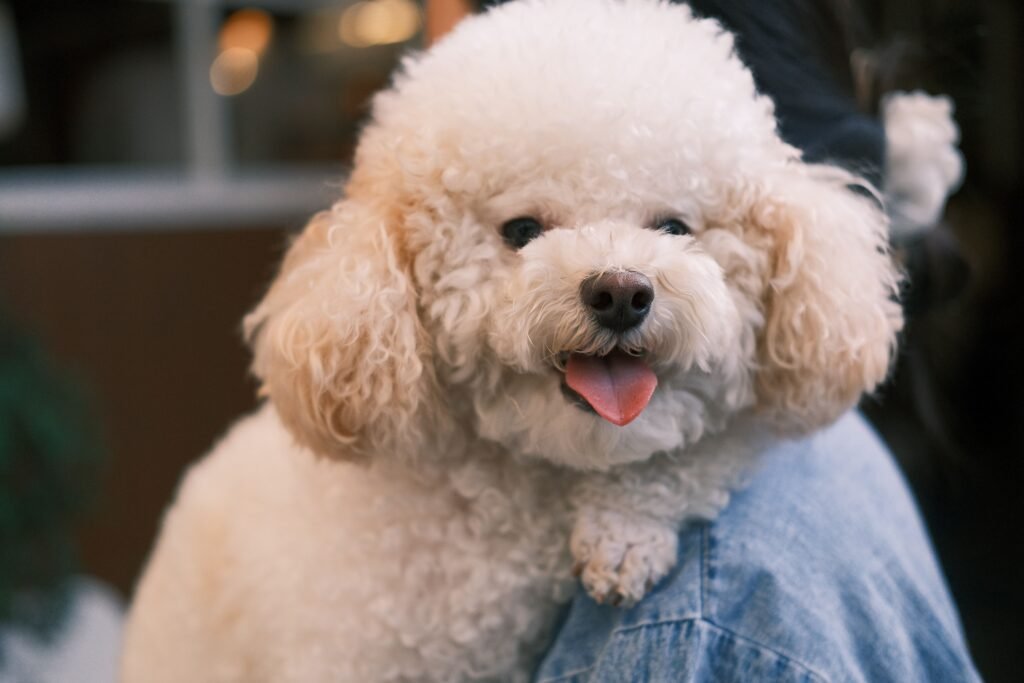
Poodles are intelligent dogs that come in Toy, Miniature, and Standard sizes. Their curly coats give them a fluffy appearance, and their trainability makes them popular with many dog owners.
Poodles generally shed less visibly than many double-coated breeds. However, their hair continues to grow and can become tightly matted without regular care.
Brushing and scheduled professional haircuts are important for keeping the coat comfortable and manageable. Poodles also need exercise, social interaction, and mental stimulation.
No dog breed is completely hypoallergenic, so people with allergies should spend time around a breed before making a decision.
Best for: Owners who enjoy training and can maintain a regular grooming routine.
Grooming needs: Frequent brushing and regular professional haircuts.
How to Choose the Right Fluffy Dog Breed
Choosing between fluffy dog breeds involves more than appearance. The right breed should fit your daily routine, living arrangIntroduce Grooming Early
ements, and ability to provide long-term care.
Consider these important factors before bringing a dog home.
1. Consider Your Living Space
Small breeds such as Pomeranians, Bichon Frises, and Shih Tzus may adapt well to apartment living when their exercise, training, and companionship needs are met.
Larger breeds, including Newfoundlands and Great Pyrenees, need more room to move comfortably. Their size, strength, and grooming requirements should be considered carefully.
2. Understand Grooming Requirements
Different coat types require different care routines. Dogs with dense double coats often need frequent brushing to remove loose undercoat. Dogs with continuously growing hair usually require regular trimming to prevent mats.
Before choosing a breed, consider whether you can maintain its coat at home and afford professional grooming when needed.
3. Think About Exercise and Training
Some fluffy dogs are energetic working breeds that need daily activity and mental challenges. Others are smaller companion dogs that may be satisfied with shorter walks and indoor play.
Every dog benefits from positive training, socialization, and suitable exercise. Research the individual breed’s needs instead of assuming that a fluffy dog will automatically be calm.
4. Consider Your Local Climate
Thick-coated breeds can be uncomfortable in hot weather, especially when they exercise during the hottest part of the day. Provide shade, fresh water, and a cool resting area.
Walk your dog during cooler hours when possible, watch for signs of overheating, and never leave a dog in a hot vehicle. Avoid shaving a double coat unless a veterinarian recommends it for a specific medical reason.
5. Plan for Long-Term Costs
Owning a dog involves more than the initial adoption or purchase cost. Food, vaccinations, veterinary visits, grooming, training, and unexpected medical expenses all contribute to the total cost of care.
Choose a breed whose needs you can meet consistently throughout its life.
Essential Grooming Tips for Fluffy Dogs
Proper grooming helps maintain a healthy coat and allows owners to notice potential problems early.
Brush the Coat Regularly
Brushing removes loose hair, helps prevent tangles, and distributes natural oils through the coat. The ideal frequency depends on the dog’s breed, coat length, and tendency to mat.
Some dogs need brushing several times a week, while long-haired or easily matted breeds may need daily attention.
Check Areas Where Mats Commonly Develop
Tangles often form behind the ears, under the collar, beneath the legs, around the tail, and between the hind legs. Check these areas carefully rather than brushing only the visible outer coat.
Never pull forcefully at a tight mat. Severe mats can be painful and may require professional help.
Bathe and Dry Your Dog Properly
Use a dog-appropriate shampoo and follow suitable bathing intervals for your dog’s coat and skin. Rinse thoroughly and dry the coat carefully, particularly for dense double-coated breeds.
Trapped moisture can contribute to skin irritation. If you notice redness, a persistent unpleasant smell, sores, or excessive scratching, consult a veterinarian.
Puppies can gradually learn to accept brushing, paw handling, bathing, and nail care through gentle, positive experiences. Keep early sessions short and reward calm behavior.
If an adult dog is uncomfortable with grooming, introduce handling slowly and seek help from a qualified groomer or reward-based trainer.
Avoid Shaving Double-Coated Breeds Without Advice
A double coat helps insulate and protect the skin. Shaving it is not a reliable way to keep every dog cooler and may affect coat regrowth.
Ask a veterinarian or experienced groomer for advice if the coat is severely matted or a medical condition requires clipping.
Do Fluffy Dog Breeds Shed a Lot?
Some fluffy dog breeds shed heavily, while others shed less visibly. Shedding depends on the breed, coat type, season, and individual dog.
Breeds such as Samoyeds, Alaskan Malamutes, and Pomeranians have double coats and can shed substantially. Poodles and Bichon Frises typically shed less visibly, but their hair needs frequent maintenance to prevent matting.
Less shedding does not mean no grooming. It is also important to understand that no dog is completely allergy-free. People with dog allergies may react to dander, saliva, and other allergens, not just loose hair.
Frequently Asked Questions About Fluffy Dog Breeds
What are the fluffiest dog breeds?
Some well-known fluffy dog breeds include the Samoyed, Pomeranian, Chow Chow, Newfoundland, Great Pyrenees, Keeshond, and Old English Sheepdog. Their coat density and appearance vary, and each breed has different grooming needs.
Which small fluffy dog breeds are good companions?
Pomeranians, Bichon Frises, Havanese, and Shih Tzus are popular small companion breeds. Their personalities, exercise needs, and grooming requirements differ, so research each breed before choosing one.
Which fluffy dog breeds shed the least?
Poodles and Bichon Frises generally shed less visibly than many double-coated breeds. However, their coats can become matted without regular brushing and professional grooming. Individual dogs may also differ.
Are fluffy dogs suitable for apartments?
Some small fluffy breeds can adapt well to apartment living if they receive enough exercise, training, and companionship. Larger breeds may need more room, but size alone does not determine suitability. Consider barking, activity level, and grooming needs as well.
How often should I brush my fluffy dog?
The ideal schedule depends on the breed and coat type. Many fluffy dogs benefit from brushing several times a week, while some long-haired or easily matted breeds need daily brushing. Ask a qualified groomer to demonstrate the right technique for your dog’s coat.
Can fluffy dogs live in hot climates?
Many fluffy dogs can live in warm climates with appropriate care, but thick-coated breeds may be more vulnerable to overheating. Provide shade, fresh water, a cool indoor space, and exercise during cooler hours. Contact a veterinarian immediately if you suspect heatstroke.
Are fluffy dog breeds hypoallergenic?
No dog breed is completely hypoallergenic. Some breeds shed less hair, but people with allergies may still react to allergens from the dog’s skin, saliva, or other sources.
Conclusion
Fluffy dog breeds are wonderful companions for people who appreciate their beautiful coats, unique personalities, and affectionate nature. From the tiny Pomeranian to the giant Newfoundland, there is a wide variety of breeds to explore.
However, choosing the right dog requires more than falling in love with its appearance. Consider grooming requirements, shedding, exercise, temperament, living space, and climate before making your decision. With regular coat care, positive training, proper nutrition, and routine veterinary checkups, you can help your fluffy companion stay comfortable and healthy.
The best fluffy dog breed is the one whose needs match your lifestyle and whose care you can provide throughout its life.




1 Comment
[…] Consult an experienced groomer about a suitable style for your dog’s coat. Trimming around sensitive areas should be performed carefully to avoid accidental injury. […]